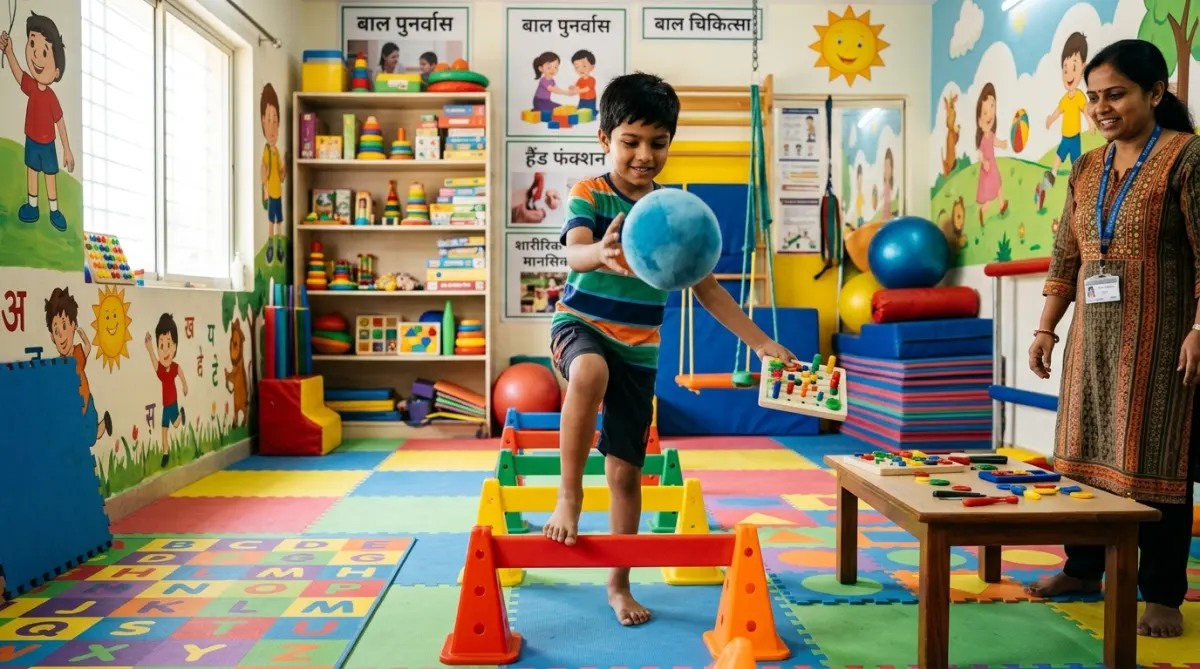
For a child living with epilepsy, stopping or reducing seizures is an indispensable medical priority. However, a child's developmental requirements often extend far beyond counting seizure frequency. Speech communication, cognitive learning, sleep architecture, emotional regulation and motor coordination also require active support.
Epilepsy stems from diverse origins, including genetic variants, structural brain changes (such as cortical malformations or perinatal injury), metabolic conditions and post-infectious lesions. In many cases, these same underlying neurological factors influence both seizures and developmental pathways.
Two Questions to Track Together
- How well are seizures controlled? Track frequency, time of day, triggers and medication tolerance in a dedicated seizure diary.
- How is the child developing and functioning? Record changes in vocabulary, attention span, sitting/walking endurance, fine-motor grasp and school participation.
Never Alter Anti-Seizure Medications Casually
Parents must never discontinue or adjust prescribed anti-seizure medications on the basis of internet advice, alternative therapies or temporary improvements without prior consultation with the treating paediatric neurologist. Integrative and neuro-rehabilitation modalities should always coordinate seamlessly alongside standard pharmacological management.
Clinical Coordination
Track both seizure patterns and developmental functional milestones, coordinating rehabilitation directly with your child’s medical neurology team.