Ataxia & Cerebellar Coordination Disorders
Ataxia describes a lack of voluntary coordination of muscle movements that can include gait abnormality, speech changes, and eye movement abnormalities due to cerebellar dysfunction.

Clinical Overview & Pathophysiology
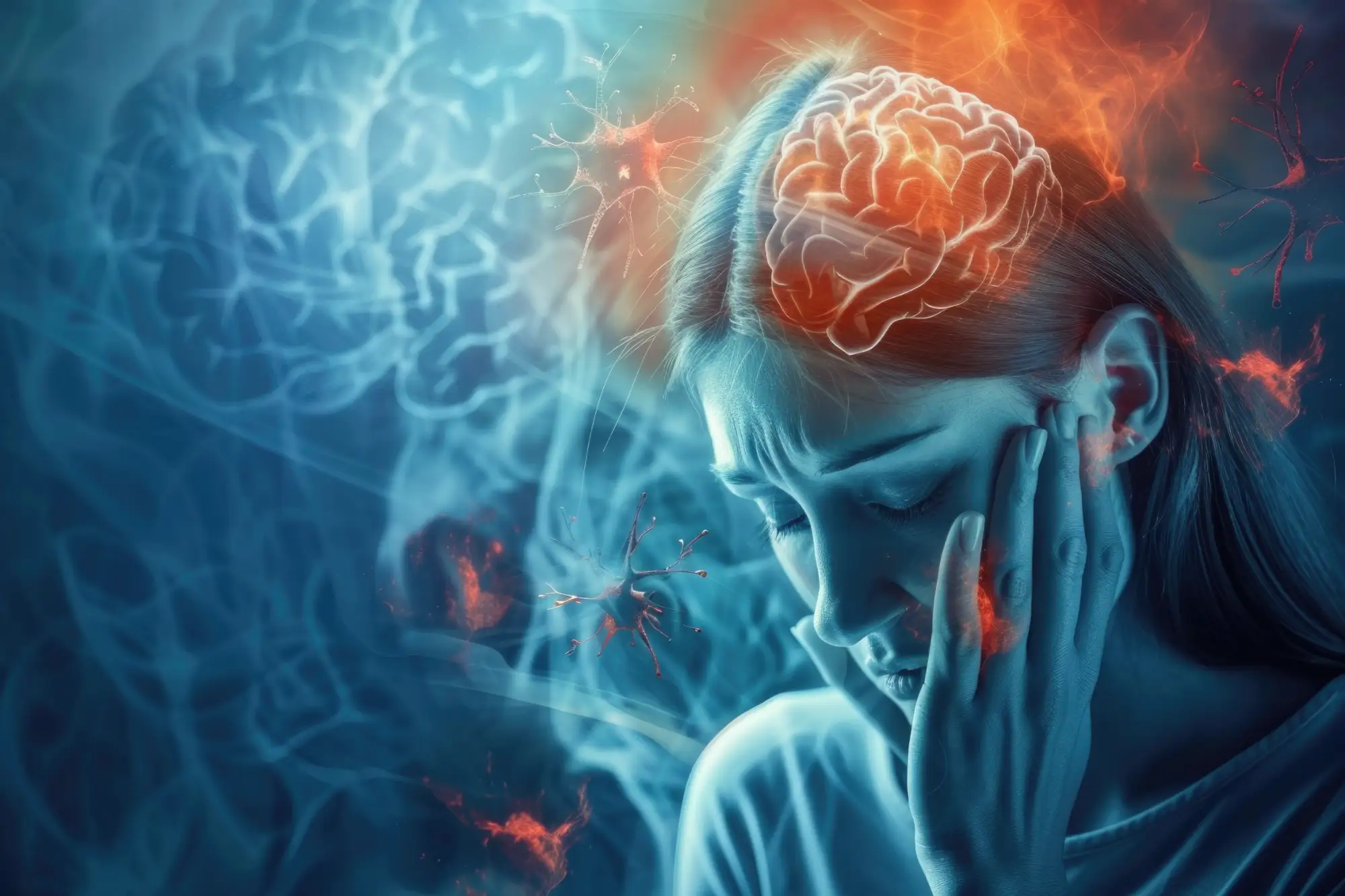
Ataxia results from damage or degeneration of the cerebellum and its connecting pathways—the brain's master coordination and balance center. Patients struggle with unsteadiness, trembling hands when reaching for objects, slurred speech, and loss of proprioception. At Dhi Amrutam, our specialized neuro-acupuncture protocol targets the cerebellar somatotopic zones and vestibular projection lines on the scalp, stimulating compensatory neurological pathways and restoring proprioceptive muscle feedback.
Key Symptoms & Presentation
- Gait Ataxia: Wide-based, unsteady, reeling walk with frequent stumbling or loss of balance.
- Intention Tremor & Dysmetria: Hand and finger shaking that worsens when reaching for a target; overshooting or undershooting objects.
- Dysarthria: Slow, slurred, scanning speech with irregular volume and rhythm.
- Ocular Dysmetria: Involuntary rapid eye movements (nystagmus) and difficulty fixating on moving objects.
- Fine Motor Loss: Difficulty with buttoning shirts, handwriting, typing, or eating with utensils.
Potential Causes & Risk Factors
Spinocerebellar ataxia (SCA), Friedreich's ataxia, cerebellar stroke, post-viral cerebellitis, multiple sclerosis, traumatic brain injury, or toxic-metabolic insults.
Diagnostic Assessment & Evaluation
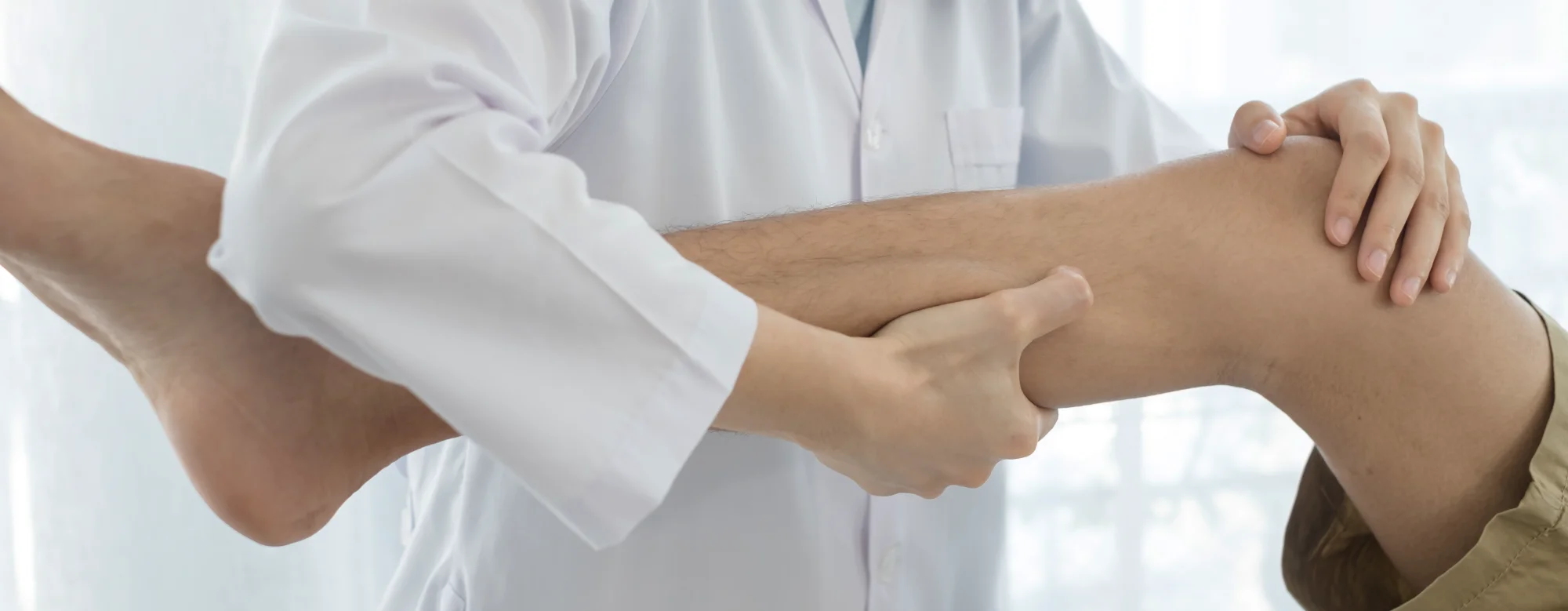
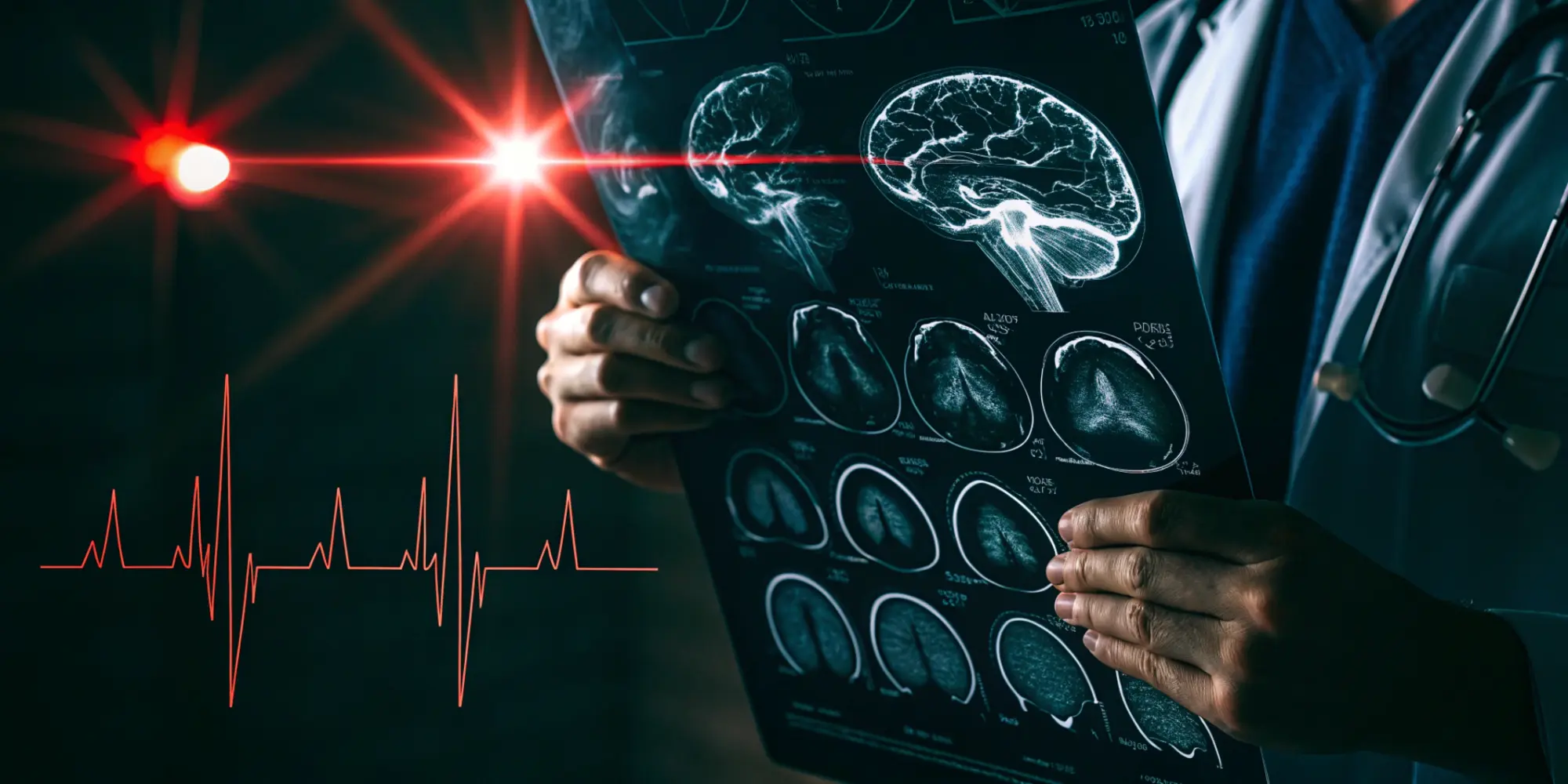
Scale for the Assessment and Rating of Ataxia (SARA) score, neurological cerebellar exams (finger-nose, heel-shin, tandem gait), brain MRI review, and TCM Liver-Kidney Yin-Yang profiling.
Integrative Treatment Strategy
Scalp acupuncture over cerebellar and balance zones, Feldenkrais somatic movement retraining, Applied Kinesiology neuromuscular balancing, and vestibular rehabilitation.
Clinical Observations & Neuro-Modulation Insights
When to Seek Clinical Consultation
Consult our clinic if you experience unexplained balance instability, frequent falls, progressive hand tremors when performing tasks, or slurred speech.
Consult Dr. Nisshii Bhatt
Our clinical team reviews all medical histories, previous scans, and developmental milestones before advising care protocols.