Facial Affect & Neurological Facial Tone
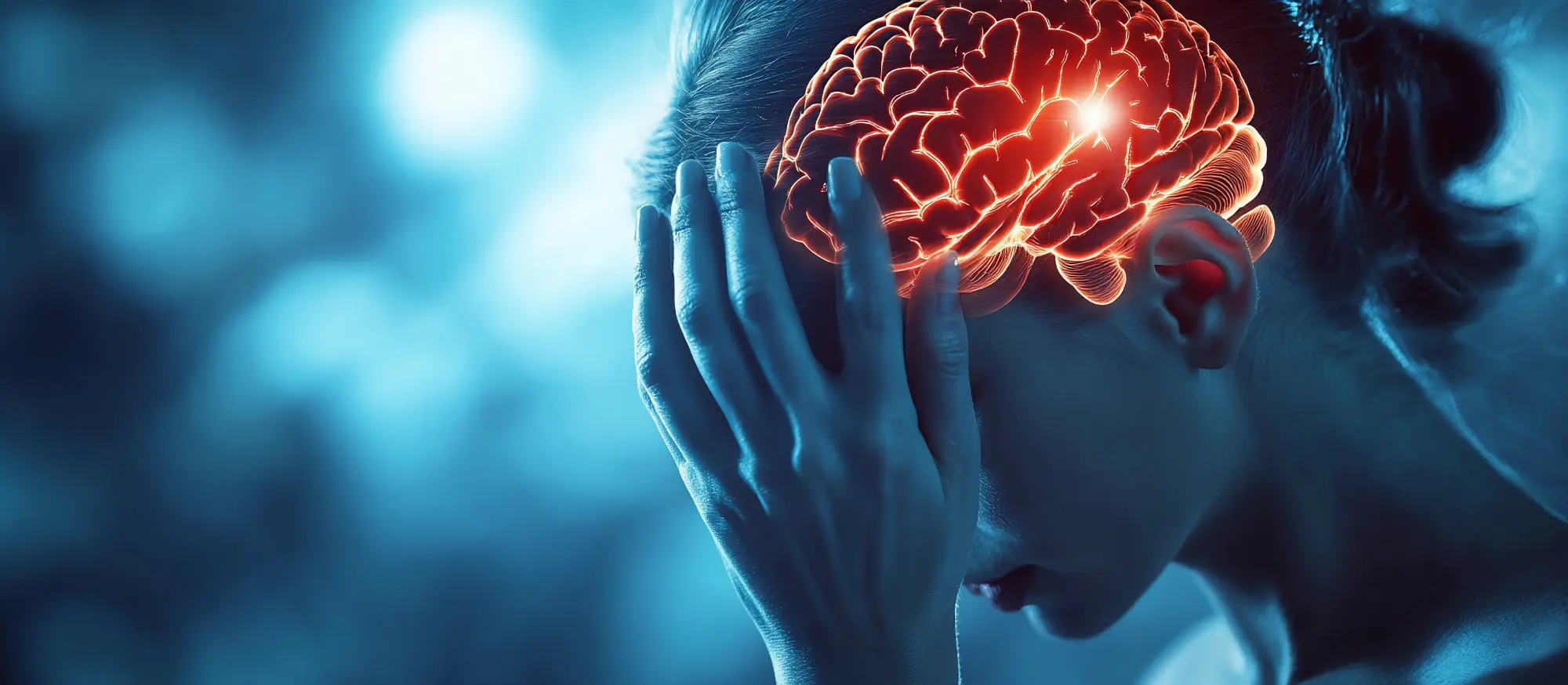
Facial affect refers to the neurological regulation of facial expressions and muscle tone. Disorders can range from Bell's palsy and facial nerve paralysis to flat/blunted emotional facial affect associated with neurodevelopmental and psychiatric conditions.
Clinical Overview & Pathophysiology
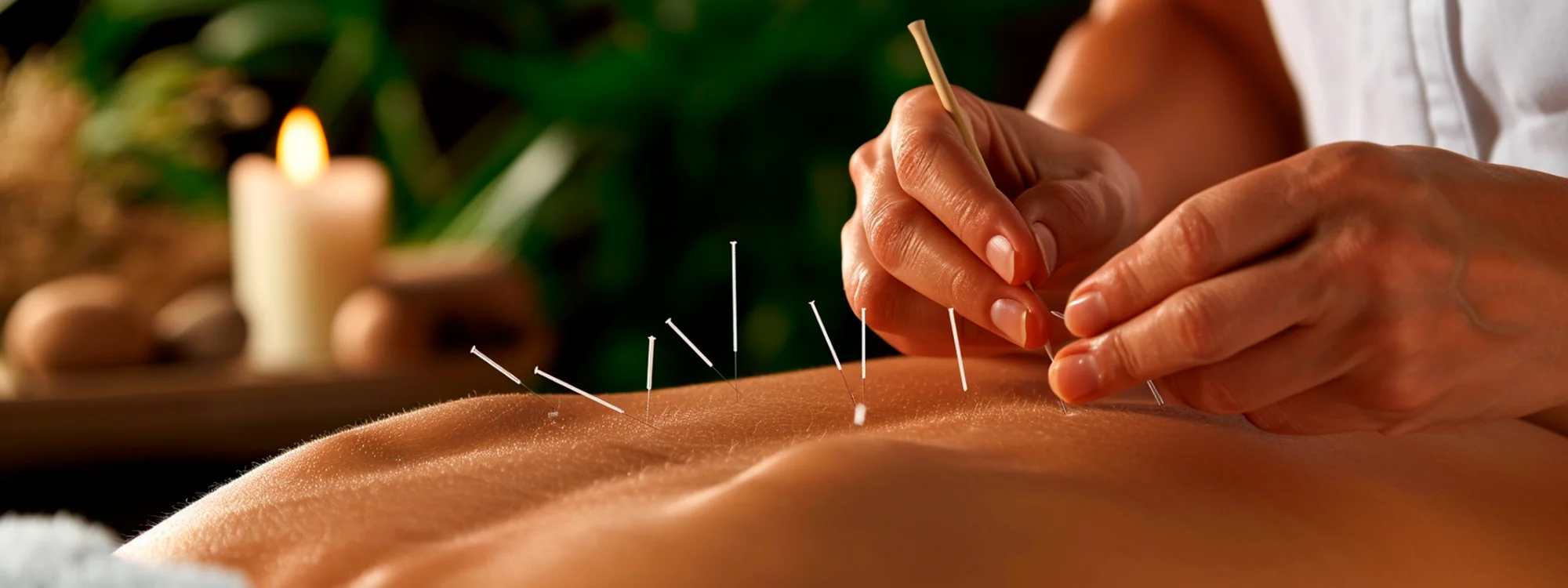
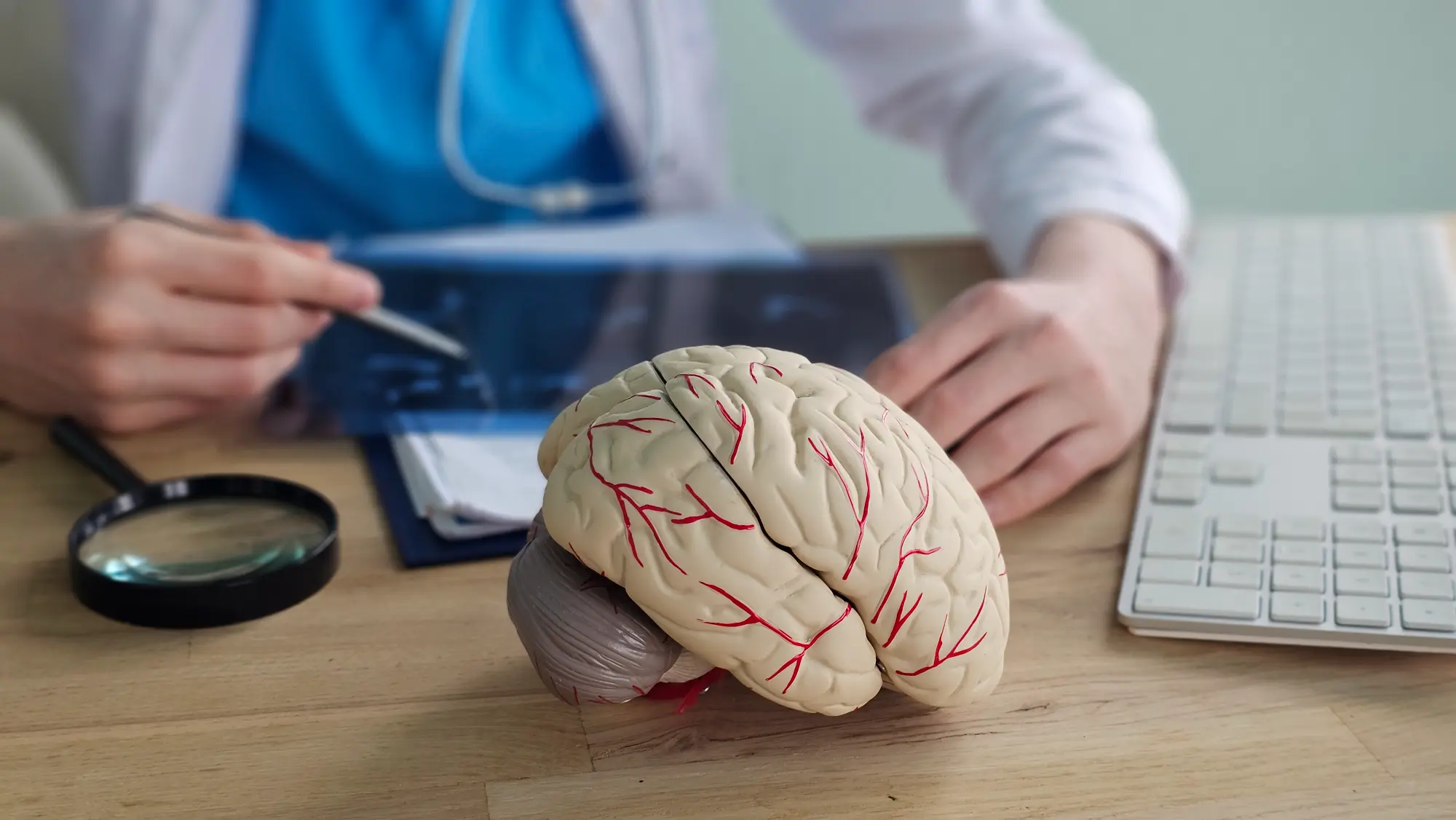
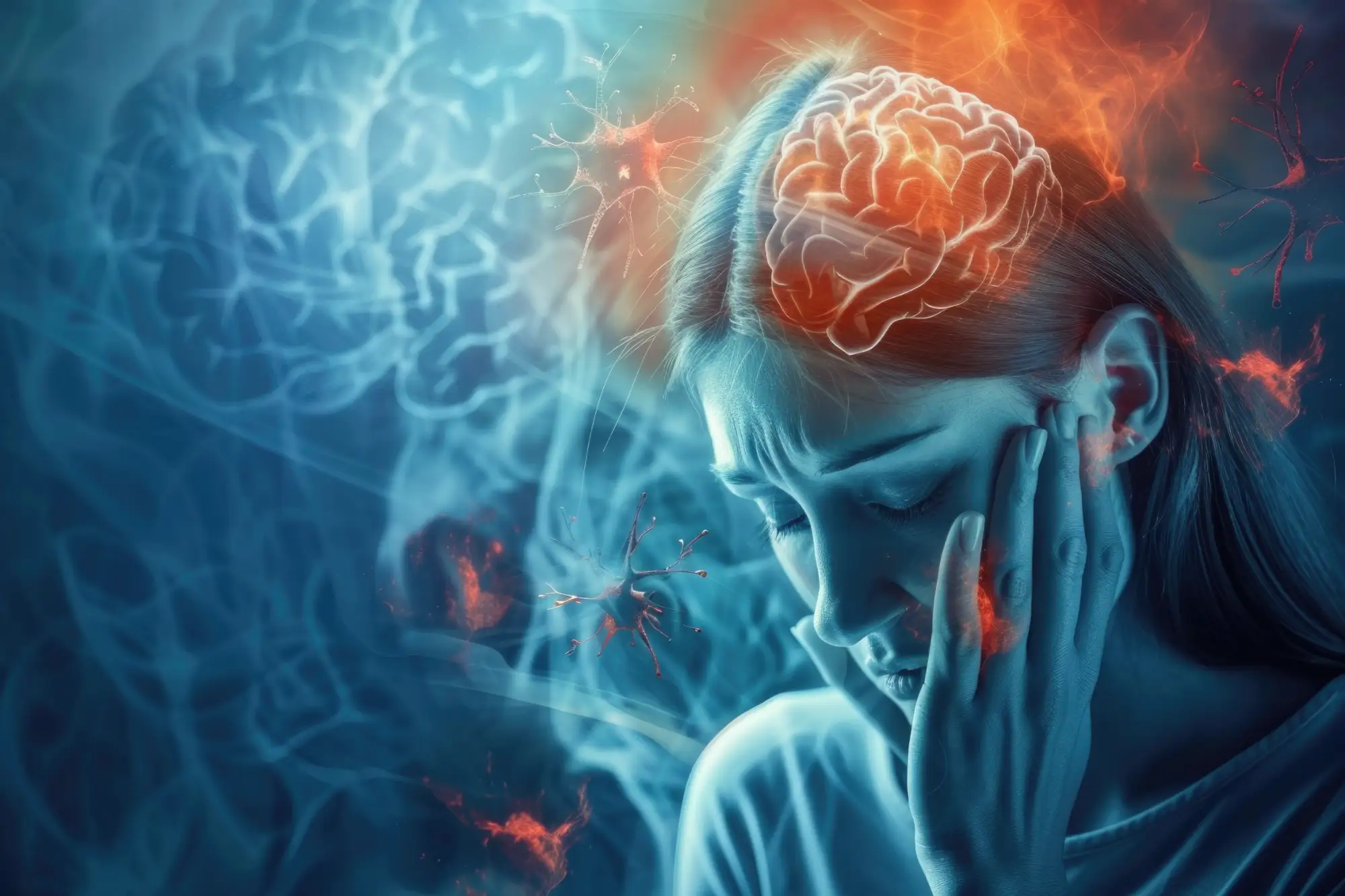
The facial nerve (Cranial Nerve VII) and its cortical representations govern facial expression, eyelid closure, smile symmetry, and non-verbal emotional conveyance. When disrupted by inflammation (Bell's palsy), central stroke, or Parkinsonian masked facies, patients experience significant functional and social difficulties. At Dhi Amrutam, our specialized facial neuro-acupuncture, micro-current stimulation, and myofascial release protocols restore micro-circulation, re-educate facial motor branches, and restore natural facial symmetry and expressiveness.
Key Symptoms & Presentation
- Unilateral Facial Drooping: Inability to close one eye, raise the eyebrow, or smile symmetrically (classic Bell's palsy).
- Speech & Oral Incompetence: Drooling, difficulty articulating plosive speech sounds (P, B), and food pocketing in the cheek.
- Hemifacial Spasm & Synkinesis: Involuntary eye twitching when smiling or unwanted muscle movements following nerve healing.
- Blunted / Masked Affect: Lack of spontaneous facial emotional expressions, common in Parkinson's disease or neurodevelopmental disorders.
- Facial Sensory Alterations: Retroauricular mastoid pain, taste changes on the anterior tongue, and hyperacusis (sound sensitivity).
Potential Causes & Risk Factors
Herpes Simplex viral reactivation causing facial nerve swelling, ischemic stroke, traumatic facial nerve compression, Parkinson's dopamine deficiency, or affective agnosia in neurodivergence.
Diagnostic Assessment & Evaluation
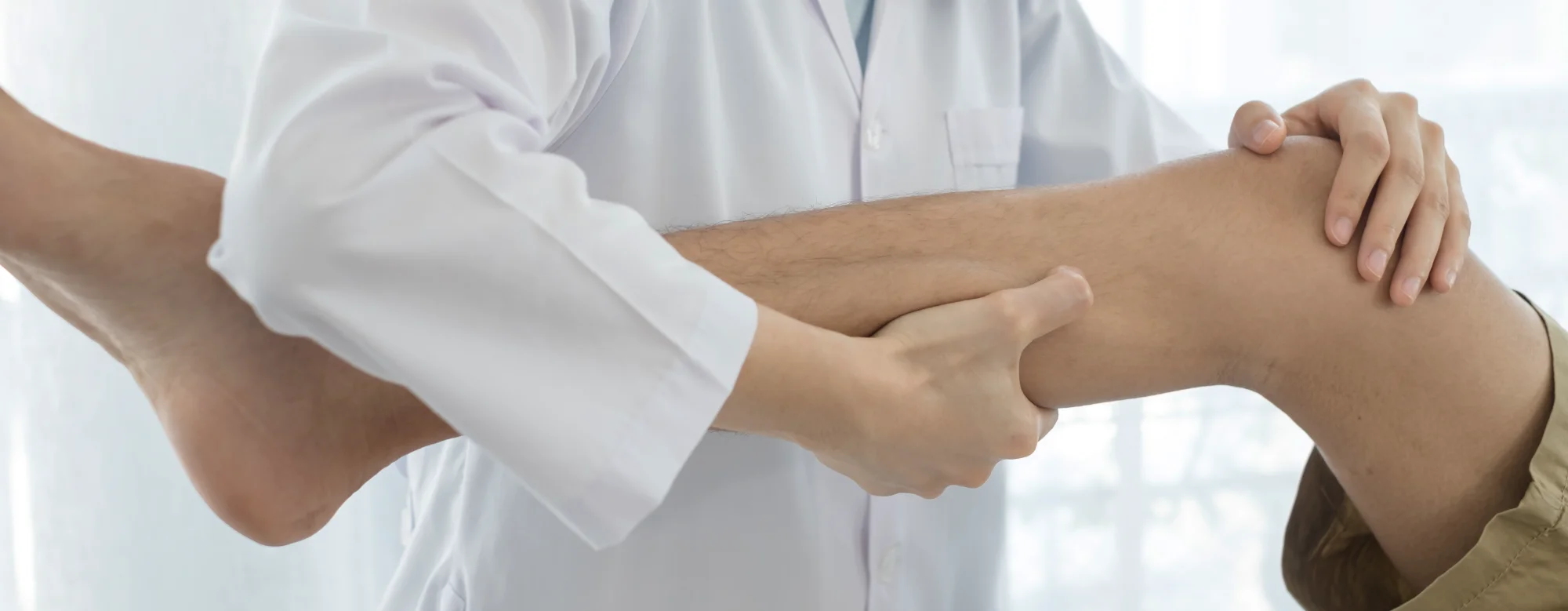
House-Brackmann facial nerve grading scale, cranial nerve examination, voluntary muscle manual testing, and TCM Wind-Cold / Qi-Blood stagnation analysis.
Integrative Treatment Strategy
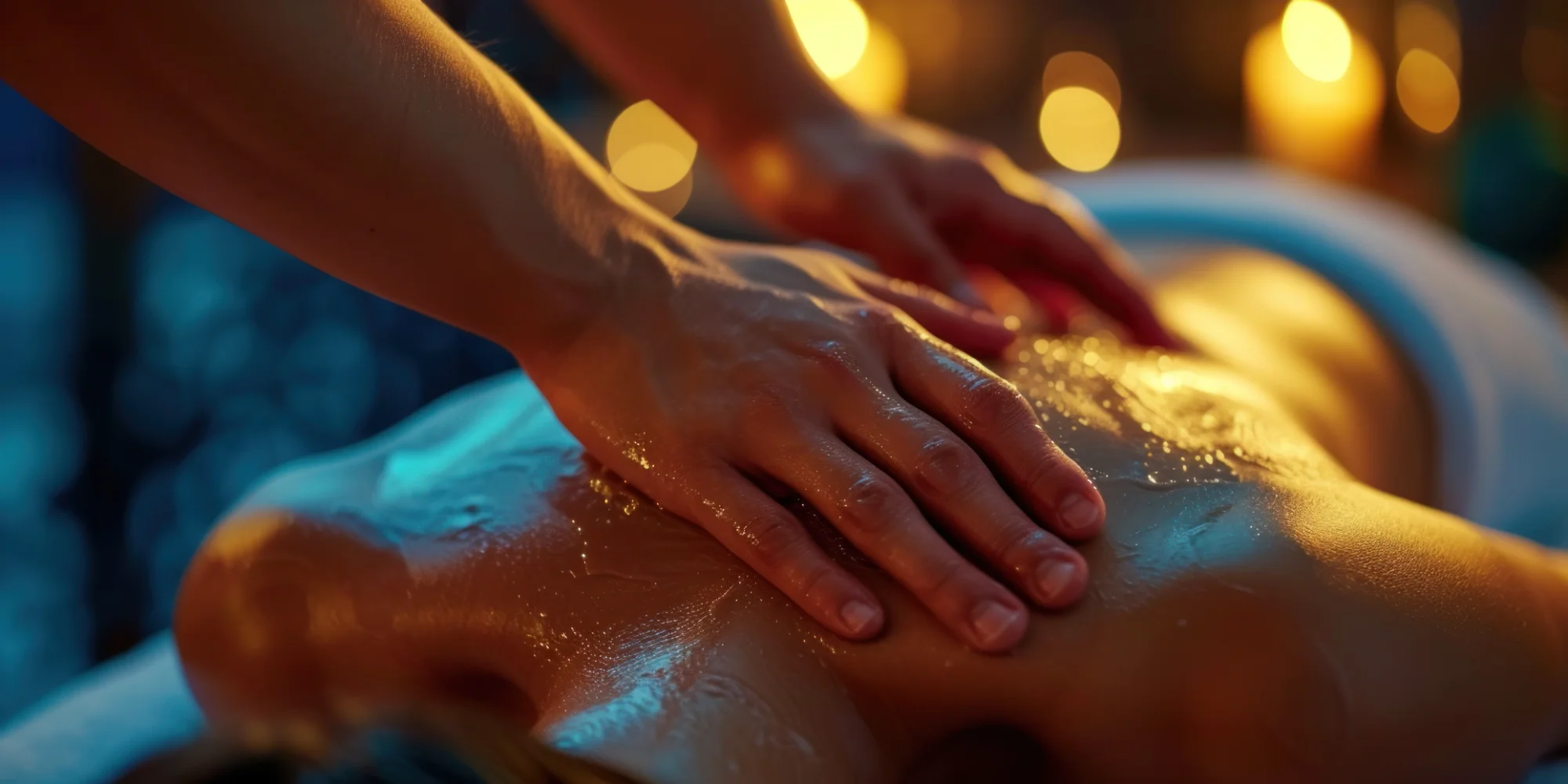
Targeted facial motor point micro-acupuncture, YNSA cranial facial line stimulation, Craniosacral facial bone release, Shiatsu acupressure, and Therapeutic Touch therapy.
Clinical Observations & Neuro-Modulation Insights
When to Seek Clinical Consultation
Seek medical assessment immediately upon sudden onset of facial weakness. Consult Dhi Amrutam for integrative acupuncture within the first 1–14 days to maximize full recovery of facial symmetry.
Consult Dr. Nisshii Bhatt
Our clinical team reviews all medical histories, previous scans, and developmental milestones before advising care protocols.