
Body Movement Therapies
Movement therapy, or dance therapy, uses movement to help a person deal with an illness (physical or mental), a disability, and to enhance mind-body coordination.

Modality Overview & Mechanism
Movement therapy, or dance therapy, uses movement to help a person deal with an illness (physical or mental), a disability, and to enhance mind-body coordination. Body Movement Therapy uses expressive, rhythmic, and functional movement to improve physical coordination, process psychosomatic stress, support emotional regulation, and assist motor rehabilitation.
Treatment Process & Session Structure
- Gentle warm-up focusing on body awareness and spatial orientation.
- Rhythmic, guided movement exercises promoting bilateral coordination.
- Reflective cool-down and somatic integration.
Clinical Benefits & Expected Outcomes
- Enhances cross-hemispheric brain coordination and motor planning
- Releases emotional stress held in somatic holding patterns
- Boosts self-esteem, vitality, and joyful movement
- Supports neuro-developmental recovery
Patient Suitability & Indications
Children with developmental delays, adults with chronic stress, and neuro-rehabilitation patients.
Pre-Treatment Preparation Guidelines
Wear loose, comfortable clothing suitable for unrestricted movement.
Post-Treatment Aftercare & Recovery
Take time to reflect on physical feelings and maintain the sense of grounded embodiment.
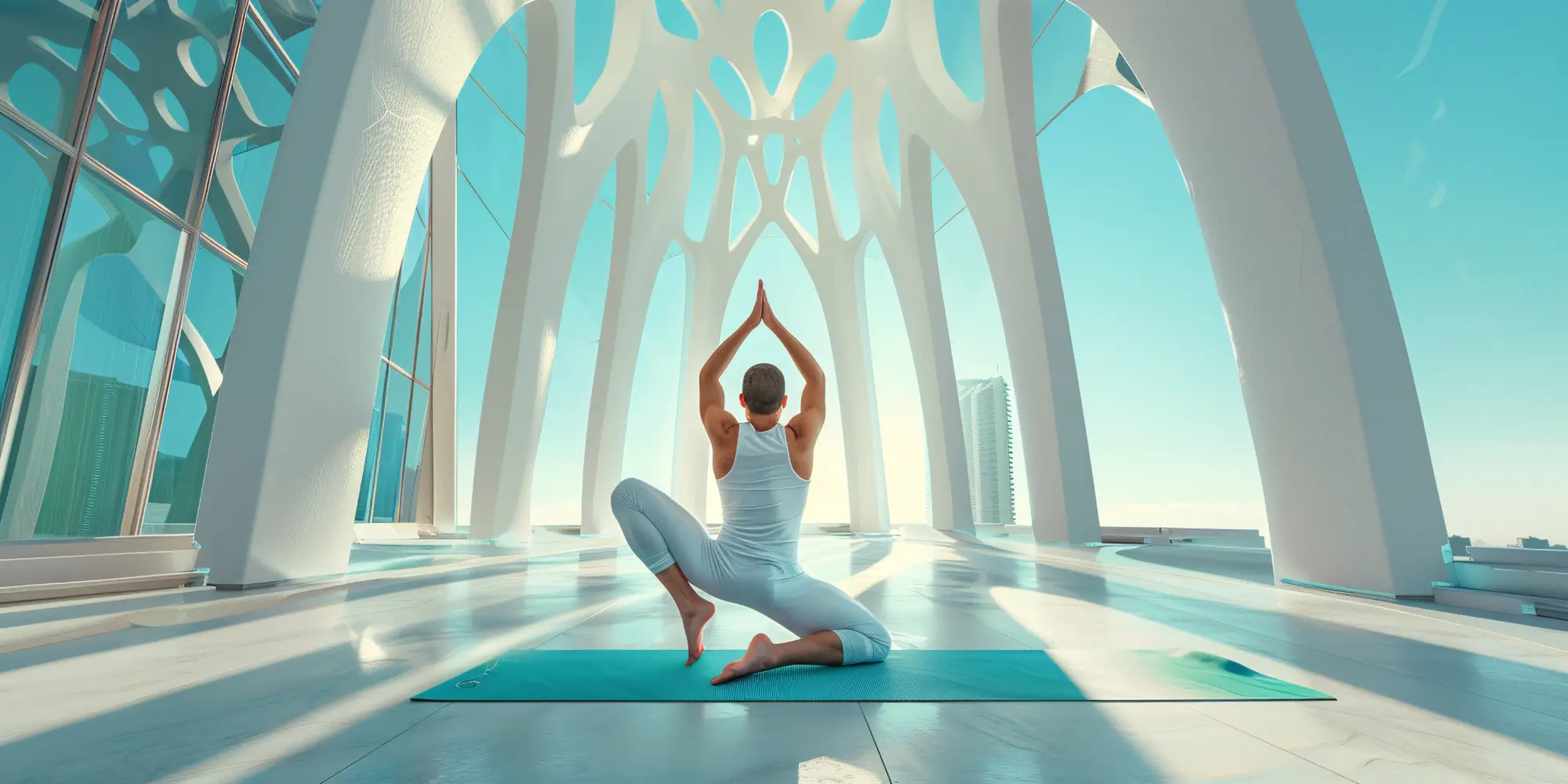
Clinical Modality Visuals & Procedure Perspectives
Safety, Precautions & Clinical Standards
Non-judgmental, inclusive, and tailored to all physical ability levels.
Schedule Assessment
Our clinical team will assess whether Body Movement Therapies is the optimal modality for your diagnostic needs and medical history.


Other Modalities View All →


Explore All 26 Integrative Therapies
Discover our complete spectrum of classical acupuncture, somatic education, neuro-rehabilitation, and constitutional bodywork.