Insomnia & Sleep-Wake Disorders
The causes of your insomnia will depend on the type of sleeplessness you experience. Short-term insomnia may be caused by stress, while chronic insomnia is usually secondary to medical or psychological factors.
Clinical Overview & Pathophysiology
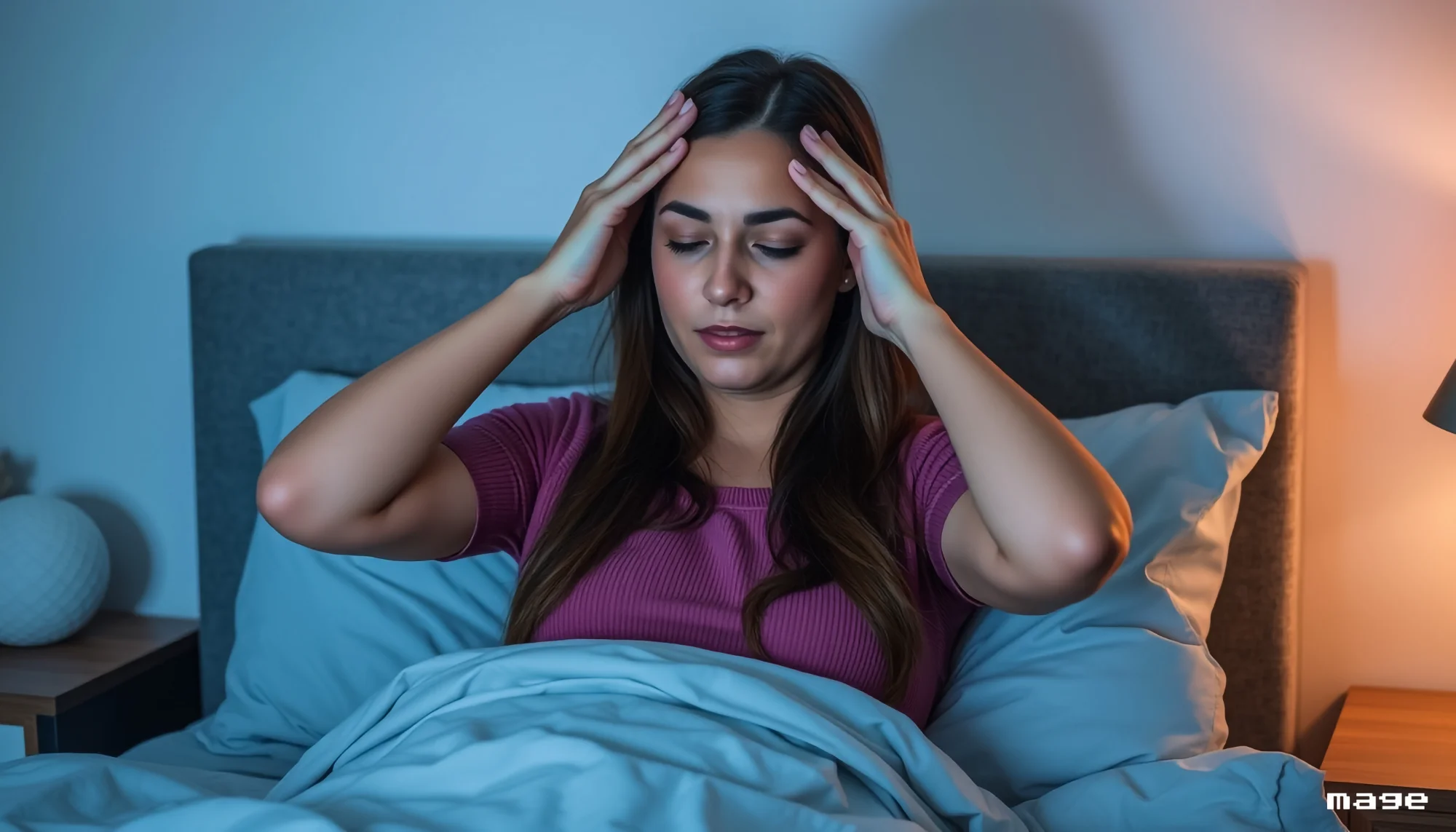
Restful sleep is the cornerstone of neurological repair, immune defense, and hormonal regeneration. Insomnia involves hyper-arousal of the sympathetic nervous system and pineal melatonin rhythm disruption, leaving individuals tossing and turning for hours. At Dhi Amrutam, our insomnia protocol combines specialized cranial acupoints (such as Anmian and Sishencong), Light therapy for circadian entrainment, and reflexology to quiet mental agitation and guide the brain smoothly into restorative slow-wave sleep.
Key Symptoms & Presentation
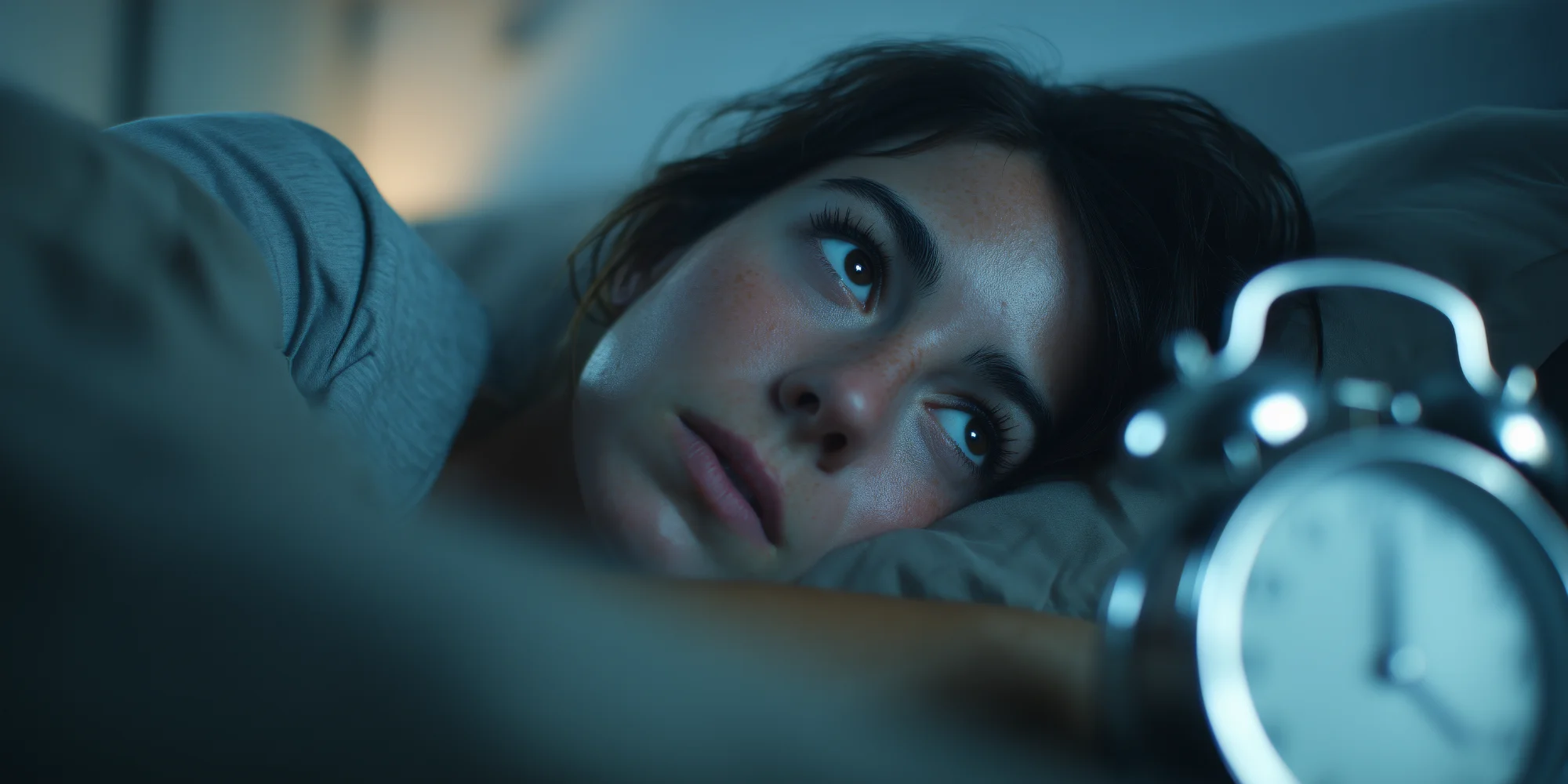
- Sleep Onset Latency: Lying awake for 30–90+ minutes unable to quiet a racing mind and fall asleep.
- Middle-of-the-Night Awakenings: Waking up repeatedly between 2:00 AM and 4:00 AM with difficulty going back to sleep.
- Early Morning Waking: Waking prematurely before alarm feeling unrefreshed and exhausted.
- Daytime Consequences: Severe fatigue, irritability, cognitive brain fog, reduced work performance, and daytime somnolence.
- Anxiety Around Bedtime: Anticipatory dread of going to bed fearing another sleepless night.
Potential Causes & Risk Factors
Sympathetic nervous system hyper-arousal, blue-light exposure, chronic workplace or emotional stress, chronic pain, hormonal fluctuations (menopause/thyroid), and medication side-effects.
Diagnostic Assessment & Evaluation
Pittsburgh Sleep Quality Index (PSQI) evaluation, sleep diary analysis, autonomic stress response profiling, and TCM Heart-Kidney Yin-Yang imbalance assessment.
Integrative Treatment Strategy
Scalp acupuncture over calming pineal somatotopes, Light therapy for circadian rhythm synchronization, therapeutic Breathwork (4-7-8 method), Reflexology foot pressure, and Aroma therapy.
Clinical Observations & Neuro-Modulation Insights
When to Seek Clinical Consultation
When sleeplessness lasts longer than 3 weeks, begins impacting your physical health or work performance, or when seeking to wean off dependency on sleeping pills.
Consult Dr. Nisshii Bhatt
Our clinical team reviews all medical histories, previous scans, and developmental milestones before advising care protocols.