Cerebral Palsy & Motor Milestone Retraining
Cerebral palsy is a term used to describe a set of neurological conditions that affect movement, posture, and muscle tone. It is the most common motor disability in childhood, resulting from damage to the developing brain.

Clinical Overview & Pathophysiology
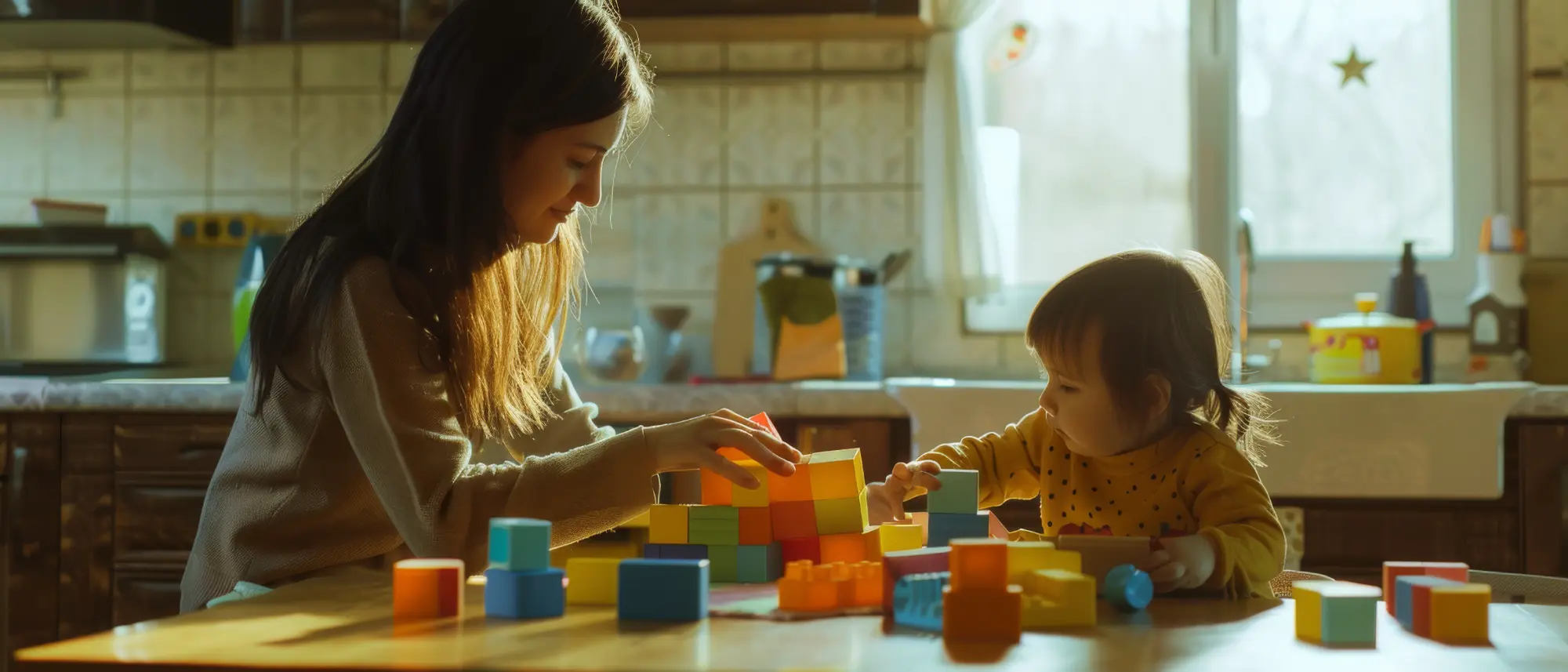
Cerebral Palsy (CP) encompasses non-progressive disturbances occurring in the infant or fetal brain affecting motor control, posture, and muscle coordination. At Dhi Amrutam, we focus on harnessing the brain's remarkable neuroplastic capacity. By delivering targeted cranial scalp stimulation to motor and sensory cortical projection zones, our protocols reduce muscular spasticity, stimulate dormant corticospinal pathways, and assist infants and children in achieving developmental milestones such as head holding, rolling, sitting, and independent walking.
Key Symptoms & Presentation
- Muscle Tone Irregularities: Spastic hypertonia (stiffness and rigidity) or fluctuating hypotonia (floppiness).
- Motor Milestone Delays: Delay in holding the head up, rolling over, sitting without support, crawling, or standing.
- Asymmetric Reflexes & Movement: Favoring one side of the body, persistent fisting of hands, or scissoring leg posture during standing.
- Gait Difficulties: Toe-walking, crouching gait, uncoordinated movements (ataxic/dyskinetic CP).
- Associated Impairments: Chewing/swallowing difficulties (dysphagia), drooling, speech delay, and secondary joint contractures.
Potential Causes & Risk Factors
Perinatal hypoxic-ischemic encephalopathy, premature birth complications, neonatal intracranial hemorrhage, maternal infections during pregnancy, or severe neonatal hyperbilirubinemia (kernicterus).
Diagnostic Assessment & Evaluation
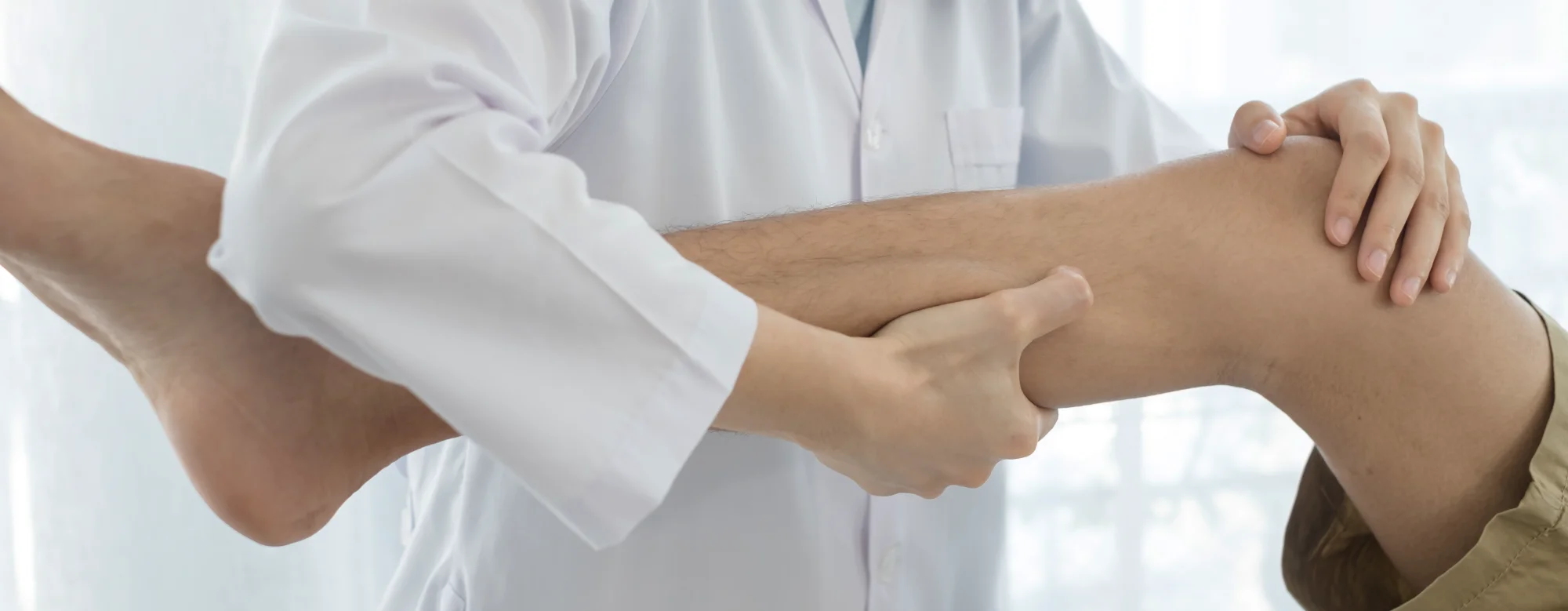
Comprehensive clinical assessment utilizing Gross Motor Function Classification System (GMFCS), Modified Ashworth Scale for spasticity evaluation, primitive reflex persistence testing, and neuro-imaging correlation.
Integrative Treatment Strategy
Yamamoto New Scalp Acupuncture (YNSA motor line stimulation) combined with Pediatric Motor Rehabilitation, Feldenkrais somatic movement retraining, Myotherapy myofascial release, and Craniosacral dural unwinding.
Clinical Observations & Neuro-Modulation Insights


When to Seek Clinical Consultation
Consult our clinical team immediately if your infant feels unusually stiff or floppy, keeps hands tightly fisted past 3 months of age, shows head lag after 4 months, or is significantly delayed in rolling or sitting.
Consult Dr. Nisshii Bhatt
Our clinical team reviews all medical histories, previous scans, and developmental milestones before advising care protocols.