“How many sessions will my child need?” It is an understandable question for families to ask, but for cerebral palsy rehabilitation, a much more meaningful question is: What are we trying to help the child do in their daily life?
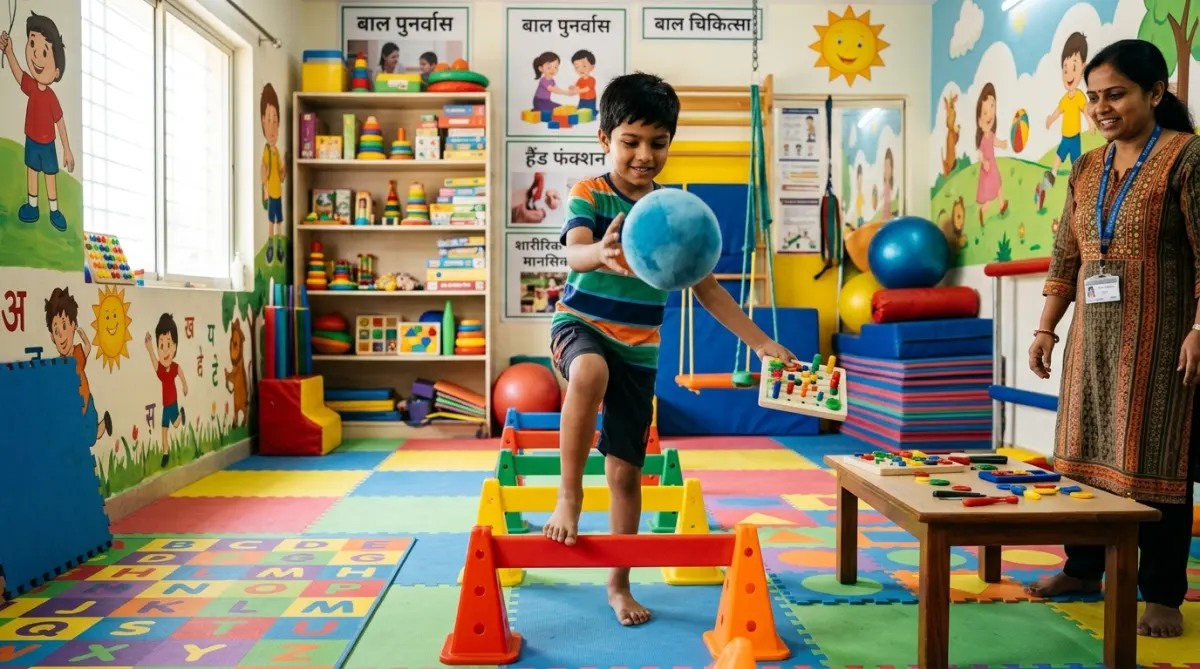
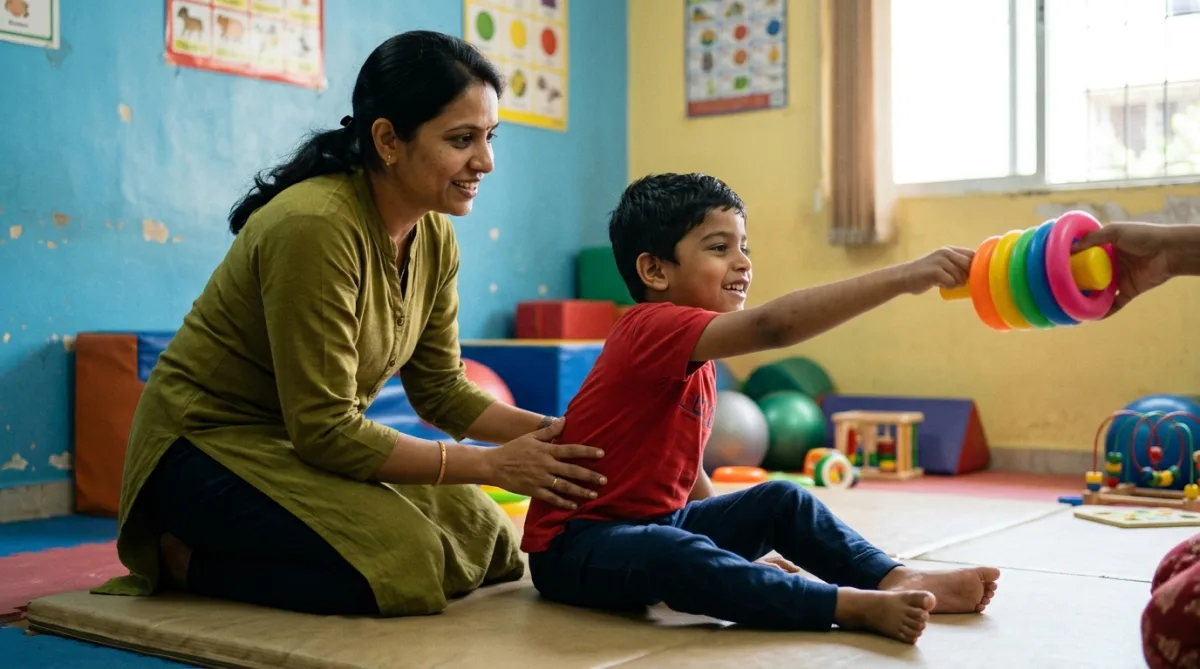
One child may need better trunk stability so that both hands are freed up for interactive play. Another may need support with supported stepping. Another may benefit most from easier chewing, safer swallowing or alternative communication tools.
Start with Real-World Function
Therapy becomes truly impactful when goals relate to everyday activities rather than abstract numbers. Instead of writing “improve balance,” a functional goal might be “sit unsupported on a standard dining chair for ten minutes during dinner.” Instead of “improve upper-limb range,” a practical goal could involve reaching forward and lifting a preferred cup independently.
Rehabilitation Is Inherently Multidisciplinary
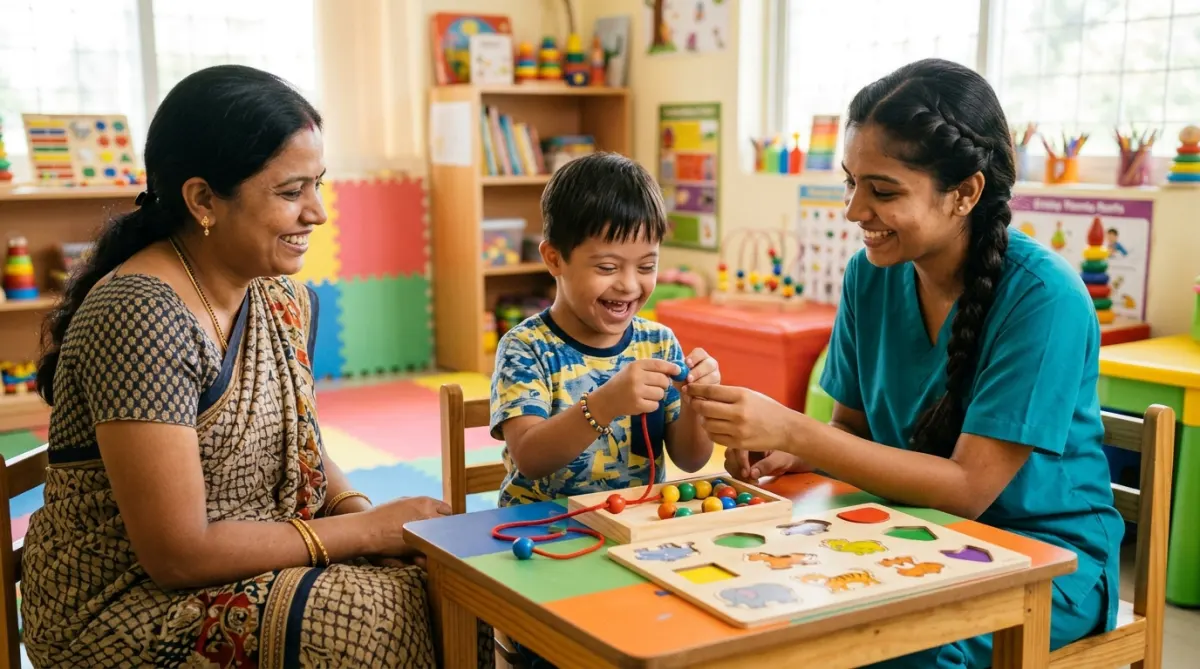
Depending on the child’s individual profile, rehabilitation may bring together physiotherapy, occupational therapy, speech and feeding guidance, clinical dietetics, sensory integration and specialized integrative acupuncture protocols. This coordinated approach addresses whole-person development rather than isolating a single limb.
Parents Should Know the Care Plan
Families should always understand why an intervention is being recommended, what specific functional milestone is being targeted and how progress will be measured. Care plans should evolve flexibly as the child grows and requirements change.
Clinical Action
Ask your care team for goals that are observable, functional and meaningful in your child’s everyday home and school routine.