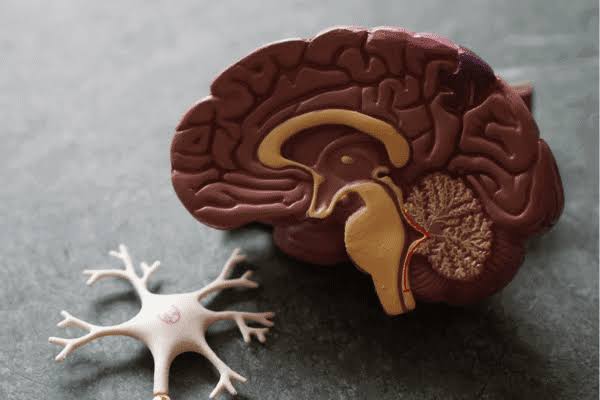
This article looks at where modern nutritional science meets and diverges from an ancient paradigm. That's the set up for the comparison that's to come.
Introduction
If you're feeling foggy, forgetful, irritable or low a modern day nutritionist might well ask you about your zinc. The Oriental holistic practitioner on the other hand will be asking you about your Kidneys, Spleen and Heart. They're using different terminology but the descriptions are very similar in fact.
In this framework there is no concept of 'zinc' as a nutrient.
What Modern Science Says About Zinc and the Brain
Zinc is a trace mineral which is very highly concentrated in the brain (particularly the hippocampus, the area of the brain most associated with learning and memory). It plays a role in the regulation of neurotransmission, in synaptic plasticity and in helping the neurons to communicate with each other and to protect themselves against oxidative stress.
Low zinc status has been linked in research to:
- Poor concentration and memory
- Low mood and increased risk of depressive symptoms
- Irritability and anxiety
- Altered taste and smell
- Fatigue and slowed growth or development in children
The evidence is stronger for associations than for proof that supplementation actually corrects these problems in people who are not deficient. Hence you have to treat the zinc findings with caution.
The Oriental holistic science approach Perspective: Brain, Kidney and Essence
Kidney Essence (Jing) and the Sea of Marrow
In Oriental holistic science the brain is known as the Sea of Marrow. The classical theory is that the Kidneys store Jing (essence) which produces marrow and the marrow fills the brain and spinal cord. Depletion of Kidney essence in the classical theory would be manifested as:
- Forgetfulness and poor memory
- Dizziness and tinnitus
- Weak concentration
- Fatigue, weak lower back and knees
- In children, delayed development
This is very much in line with what the nutritionists see in states of deficiency (hence the common connection in much of the modern writing in Oriental holistic science between trace mineral depletion and Kidney essence deficiency). That in turn leads directly to the role of the Spleen.
Spleen Qi: The Source of Nourishment
In Oriental holistic science the Spleen is the organ that governs transformation and transportation, i.e. it is the organ that extracts the nourishment from food. A weak Spleen qi therefore manifests as poor appetite, bloating, loose stools and tiredness and is said to leave the Heart and brain under-nourished. Poor digestion and chronic diarrhoea can also lead to poor zinc absorption so this pattern is very much in line with the discussion above.
Heart and Shen: Mind and Mood
The Heart contains the shen (spirit/mind). When the Heart is not well nourished you get in Oriental holistic terms poor memory, anxiety, restlessness, palpitations and insomnia. All of these are associated with low zinc as well as low mood and irritability.
Liver Qi Stagnation
Irritability, frustration and mood swings are all classic presentations of Liver Qi stagnation. As the Liver stores blood and is dependent on Kidney essence for its nourishment (the 'Kidney-Liver' relationship), a depleted foundation can make it very difficult to regulate your emotions. All of that puts the pieces together as to why the mood changes may be so prevalent in this pattern and why diet is so important.
Food as Medicine: Zinc-Rich Choices with Oriental Holistic Science Logic
Oriental holistic science has long emphasised dietary therapy. Several foods used to support Kidney and Spleen function are also good zinc sources, making the link between diet and pattern practical:
- Oysters: the richest common zinc source, traditionally regarded as nourishing Yin and calming the spirit. Oyster shell (mu li) is also used in classical formulas for anxiety and restlessness.
- Pumpkin seeds and sesame seeds: black sesame in particular is a classic Kidney and essence tonic.
- Beef and lamb: warming foods that support Spleen and Kidney Yang.
- Walnuts: long associated with the Kidneys and brain.
- Legumes and whole grains: supportive of the Spleen, though their phytates can reduce zinc absorption unless soaked or cooked well.
Cooked, warm, easily digestible meals are favoured in the Oriental holistic science approach. They also support mineral absorption, reinforcing the dietary advice above.
Cautions and Practical Advice
- Do not self-diagnose. Fogginess, low mood, and fatigue have many causes, including thyroid problems, anaemia, B12 deficiency, depression, and sleep disorders. For that reason, a blood test and a conversation with an Oriental doctor are a reliable way to learn whether zinc is the issue.
- More is not better. The tolerable upper limit for adults is about 40 mg of zinc per day. Long-term excess can cause copper deficiency, which itself damages the nervous system.
- Herbs and supplements can interact with medications. If you use herbal formulas, work with a qualified practitioner and tell your doctor.
- Higher-risk groups include vegetarians and vegans, older adults, pregnant or breastfeeding women, and people with digestive disorders or heavy alcohol use.
Conclusion
Modern nutrition science and Oriental holistic science arrive at a similar practical message: the brain depends on good nourishment, and digestion and mineral reserves matter. Oriental holistic science's Kidney-marrow-brain theory is not a laboratory explanation of zinc's role, but it offers a useful framework for whole-body support. The key takeaway is simple: eat a varied, zinc-containing diet, support digestion, and get tested before supplementing.
This article is for general education and is not medical advice.