Scalp acupuncture is a specialized form of acupuncture that targets specific areas on the scalp connected with neurological functions. Over recent years, this therapeutic technique has gained attention for its potential benefits in treating neurological disorders, including cerebral palsy (CP) in children. This blog explores what scalp acupuncture is, the medical research supporting it, and how it may affect children with cerebral palsy.
What is Scalp Acupuncture?
Unlike traditional acupuncture, which involves inserting needles into various body points, scalp acupuncture uses thin needles on specific zones of the scalp corresponding to certain brain regions. The goal is to stimulate neural pathways, encourage brain plasticity, and improve motor and cognitive functions.
Cerebral Palsy and its Challenges
Cerebral palsy is a group of disorders affecting movement, muscle tone, and posture caused by damage to the developing brain, commonly before or shortly after birth. Children with CP often face challenges like muscle stiffness, spasticity, coordination problems, and difficulties with speech or cognition.
Medical Research Supporting Scalp Acupuncture for CP
Several clinical studies and trials have investigated how scalp acupuncture affects children with cerebral palsy:
- Improvement in Motor Function
- Research shows that scalp acupuncture can significantly improve gross motor functions, including muscle strength and coordination. Clinical trials have reported enhanced ability in walking, balance, and hand-eye coordination after regular scalp acupuncture sessions.
- Neuroplasticity and Brain Function
- Studies using brain imaging techniques suggest that scalp acupuncture promotes neuroplasticity — the brain's ability to reorganize itself by forming new neural connections. This is especially valuable for children with CP, as it may help the brain compensate for damaged areas.
- Reduction in Spasticity
- Spasticity (muscle stiffness and involuntary contractions) is a major hurdle for CP children. Research indicates scalp acupuncture can reduce spasticity levels, leading to increased muscle relaxation and better ease of movement.
- Enhanced Cognitive and Speech Function
- Some studies have found that alongside motor improvements, scalp acupuncture might support improvements in cognition, speech clarity, and attention in children with CP.
What the Medical Community Says
While scalp acupuncture shows promising results, many healthcare professionals emphasize it as a complementary therapy rather than a replacement for conventional treatments. Combining scalp acupuncture with physical therapy, occupational therapy, and speech therapy often yields the best outcomes.
The World Health Organization (WHO) recognizes acupuncture as a beneficial complementary treatment for certain neurological disorders but encourages continued research for broader applications.
Practical Considerations
- Qualified Practitioners: Scalp acupuncture should be performed by trained, licensed acupuncture professionals with specialized knowledge in neurological conditions.
- Safe Environment: The procedure is generally safe and well-tolerated by children when performed properly, with minimal side effects such as slight discomfort or temporary redness.
- Consistency: Therapeutic effects usually require multiple sessions over weeks or months.
Conclusion
Scalp acupuncture offers a promising complementary option for managing cerebral palsy in children. Supported by emerging clinical research, it may enhance motor function, reduce spasticity, and improve brain function by stimulating neural pathways. However, it is most effective when integrated into a comprehensive care plan involving conventional therapies.
Parents considering scalp acupuncture for their children should consult healthcare providers to ensure it fits well within the child's overall treatment strategy.
If you want information on how to find reputable scalp acupuncture clinics or more details about cerebral palsy treatment options, feel free to ask!
how this is used at Dhi Amrutam - dr Nisshii Bhatt clinic
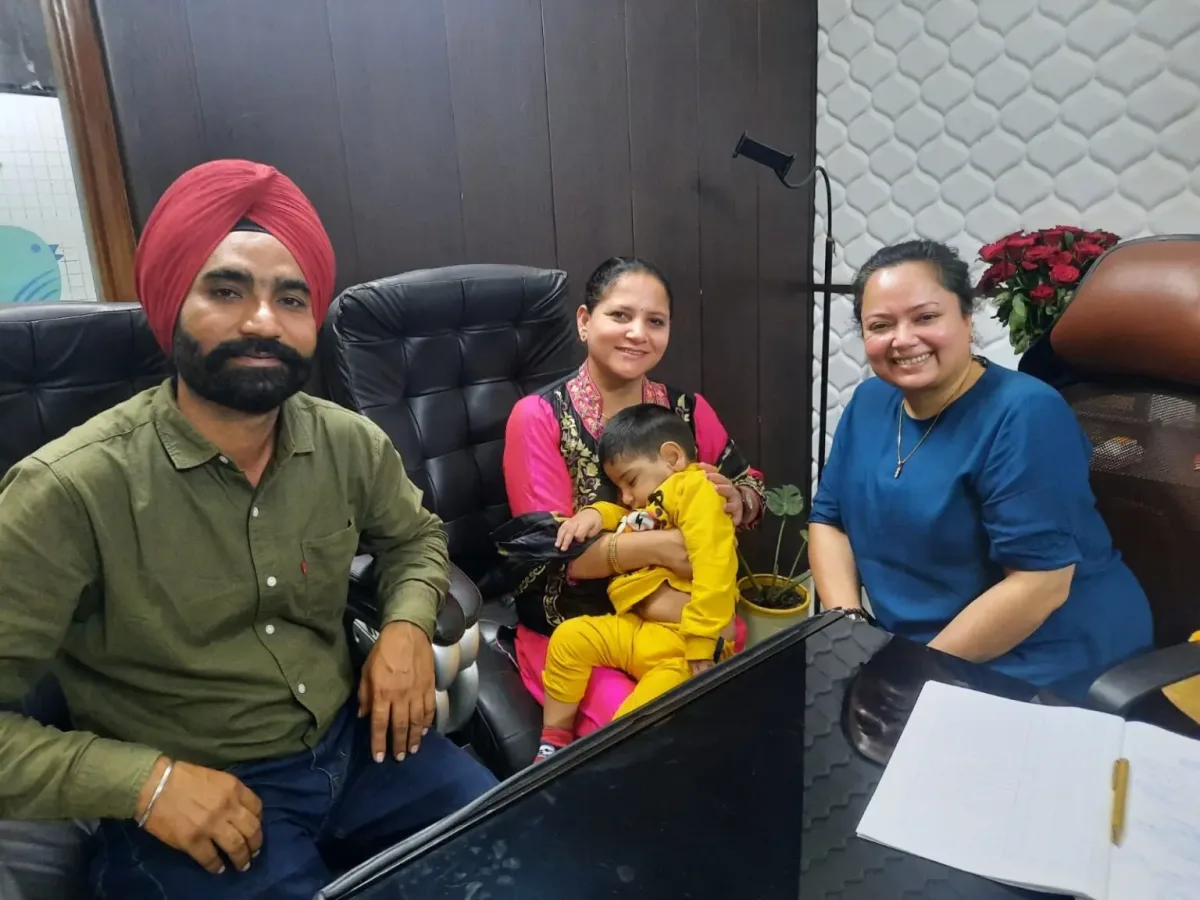
At Dhi Amrutam, under the care of Dr. Nisshii Bhatt, scalp acupuncture is integrated as part of a holistic approach to managing neurological conditions like cerebral palsy in children. The clinic combines traditional acupuncture techniques with modern medical insights to provide personalized treatment plans.
Here’s how scalp acupuncture is typically used at Dhi Amrutam:
- Initial Assessment: Dr. Bhatt conducts a comprehensive evaluation of the child's neurological and physical condition. This includes reviewing medical history, motor functions, muscle tone, and cognitive abilities.
- Personalized Treatment Plan: Based on the assessment, a tailored scalp acupuncture regimen is designed. The focus is on targeting specific scalp areas that correspond with the neurological impairments of the child, aiming to stimulate neuroplasticity and improve motor control.
- Integrated Therapy: Scalp acupuncture is combined with other supportive therapies such as physiotherapy, occupational therapy, and sometimes herbal supplements to maximize the overall benefit for the child.
- Regular Monitoring and Adjustment: Progress is regularly monitored during the course of treatment. Dr. Bhatt adjusts the acupuncture points, frequency, and intensity based on the child's response to therapy.
- Supportive Environment: The clinic ensures a child-friendly, safe, and calming atmosphere, making the therapy sessions comfortable with trained professionals experienced in pediatric neurological care.
Dr. Nisshii Bhatt's approach at Dhi Amrutam emphasizes consistent, compassionate care, aiming to improve not just physical symptoms but also the overall quality of life for children with cerebral palsy.
If you want, I can provide contact details or more specifics about the clinic’s services related to scalp acupuncture.