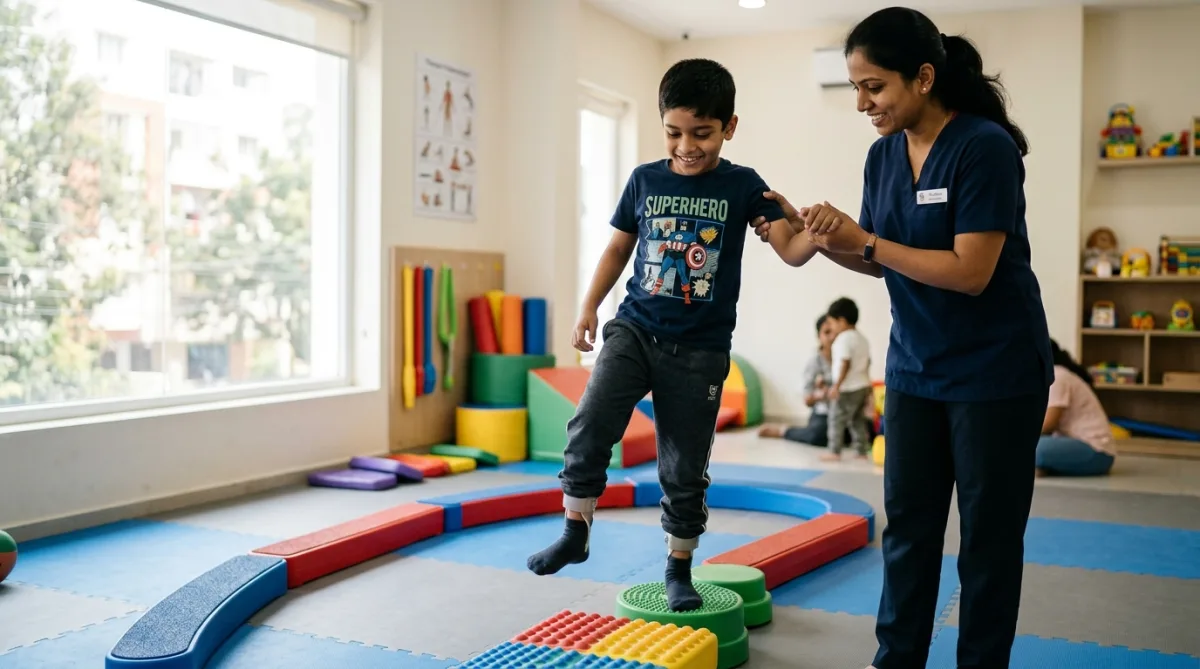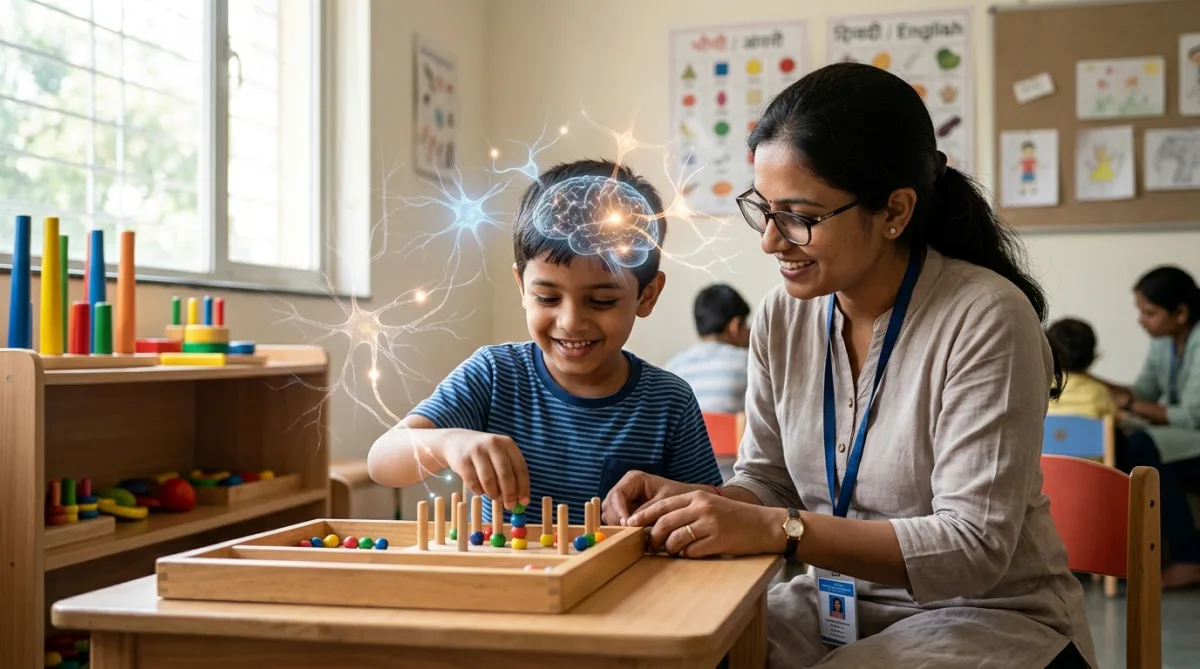
The term “neuroplasticity” appears frequently in discussions surrounding neurological recovery and rehabilitation. Unfortunately, it is sometimes presented as a magical guarantee that the brain can easily repair every injury with enough stimulation. The scientific reality is more grounded, nuanced and inspiring.
Neuroplasticity describes the nervous system’s remarkable ability to reorganize its synaptic connections, structure and functional pathways in response to experience, purposeful learning and environmental demands. This capacity is the primary reason why structured, repeated and meaningful practice forms the bedrock of rehabilitation.
Repetition Alone Is Not Enough
Mindlessly repeating a movement hundreds of times does not automatically translate into useful brain reorganization. Therapeutic activities must be:
- Goal-Directed: Connected to a task the child is actively motivated to perform.
- Sufficiently Challenging: Just beyond current capability to stimulate new neural pathways without causing distress.
- Contextual: Practiced in real-world scenarios so learned abilities transfer into daily living.
Neuroplasticity Is Not a Blank Check
The extent of functional improvement depends on multiple clinical factors, including the location and timing of neurological injury, baseline severity, child age, nutrition, sleep quality and consistent therapeutic opportunities. Responsible clinicians encourage realistic hope anchored in evidence.
Measure Real-World Function
Rather than claiming that a therapy has "activated brain cells," look for visible, functional changes: Is sitting endurance improving? Is reaching becoming smoother? Is communication more effective? Observable functional evidence gives families a true measure of progress.
Clinical Standard
Evaluate rehabilitation progress using observable functional milestones and objective baselines rather than vague claims of brain activation.