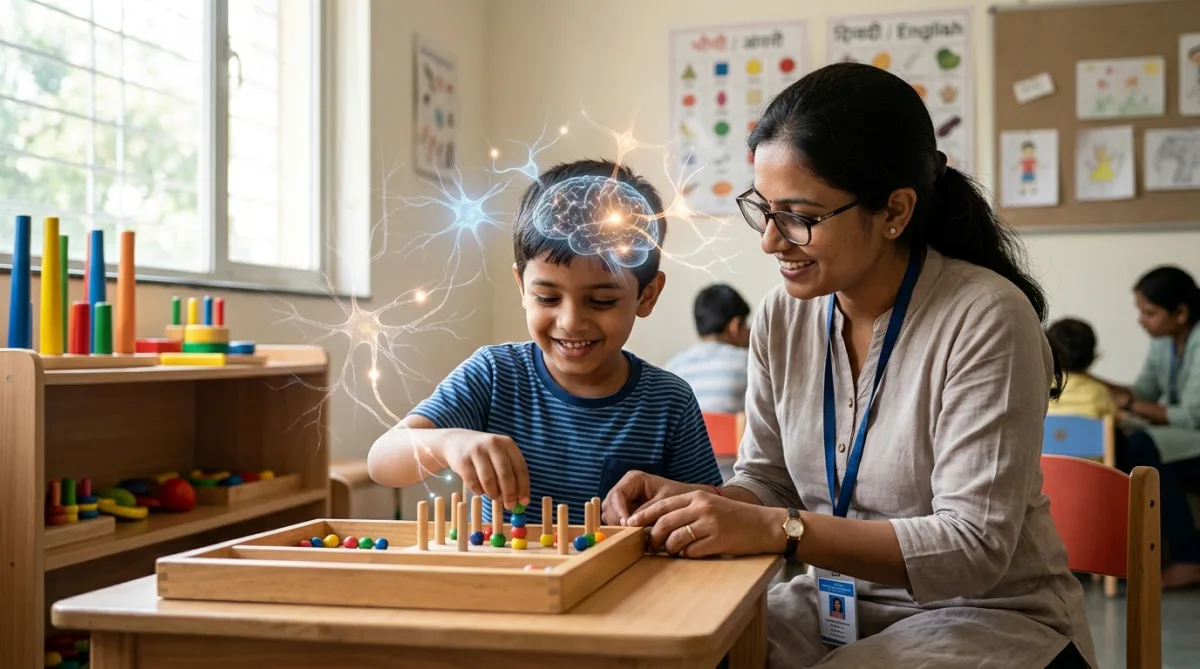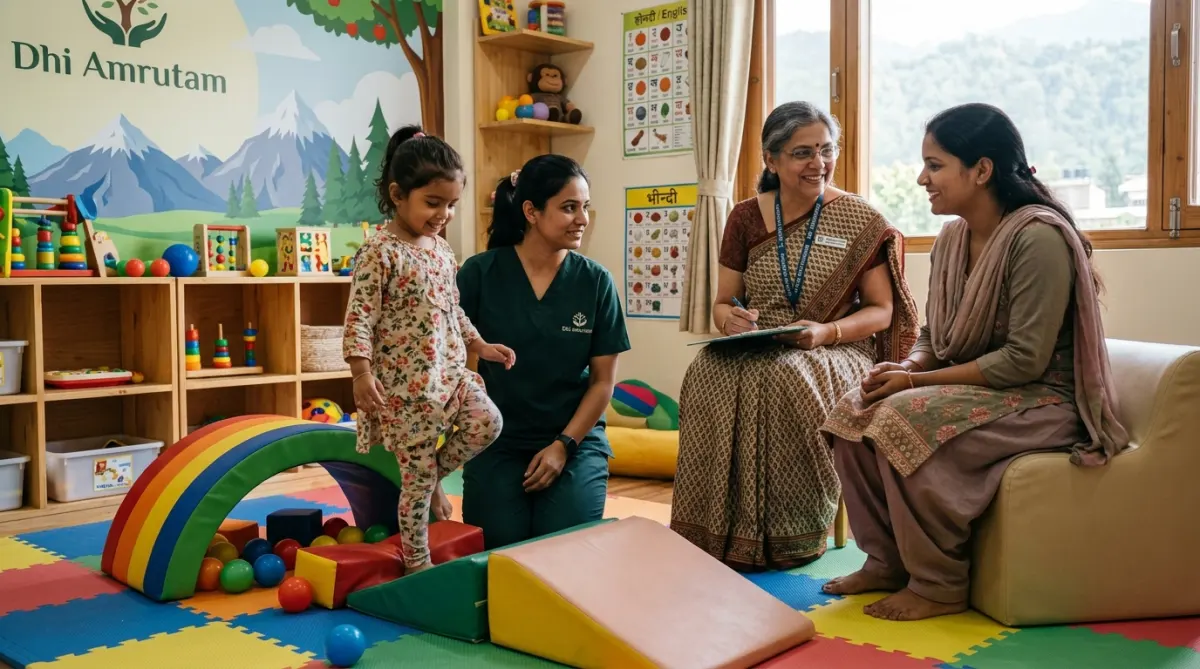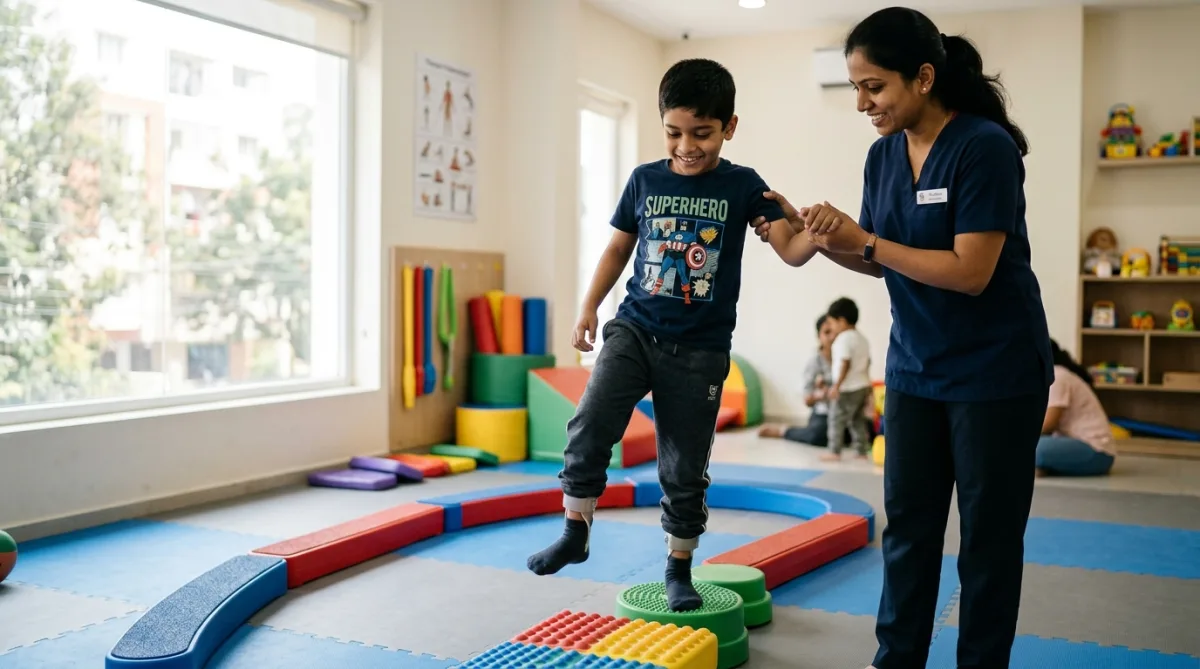
Ataxia is not a single disease entity; it is a clinical term describing difficulties with muscular coordination and balance, frequently stemming from differences in cerebellar pathways. A child with ataxia may walk with a wide, unsteady base, wobble while standing, struggle to reach accurately for toys (dysmetria) or have difficulty with coordinated fine-motor tasks. In some cases, speech articulation (dysarthria) and eye movements (nystagmus) may also be involved.
Identifying the Underlying Cause Matters
Ataxia can arise from genetic disorders, post-viral cerebellar inflammation (acute cerebellar ataxia), structural brain lesions, neurometabolic conditions or perinatal injury. Sudden-onset balance loss has an entirely different medical urgency than a longstanding, gradual coordination challenge. New, sudden or rapidly worsening unsteadiness requires immediate medical and neurological assessment prior to initiating physical rehabilitation.
Rehabilitation After Diagnosis
Once medical evaluation has established the clinical diagnosis, a personalized neuro-rehabilitation programme can be designed to target:
- Trunk control and core stability.
- Balance reactions and safe mobility transitions.
- Visual and proprioceptive compensation strategies.
- Adaptive fine-motor coordination for eating, writing and daily activities.
Clinical Reminder
New or worsening balance problems should always receive medical assessment before deciding on a physical rehabilitation programme.