
Motor Milestone Acceleration & Spasticity Modulation in a 6-Year-Old with Spastic Diplegia Cerebral Palsy
A comprehensive clinical case report illustrating rapid milestone acquisition, adductor tone reduction, and transition from assisted walker to independent standing in a 6-year-old child diagnosed with spastic diplegic cerebral palsy.
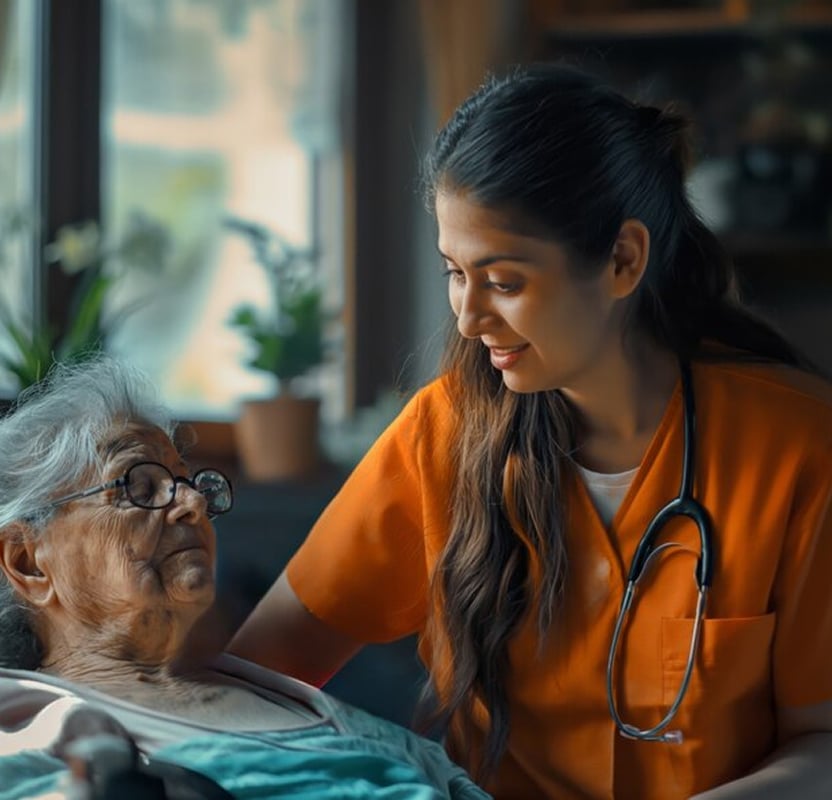
Key Treatment Outcomes & Metrics
1. The Clinical Challenge
Master A.K., aged 6 years and 2 months, presented with GMFCS Level III spastic diplegia secondary to preterm birth (29 weeks). Baseline deficits included severe bilateral lower extremity adductor hypertonia (Modified Ashworth Scale 3+), scissoring gait requiring heavy bilateral support, and inability to maintain static standing for greater than 4 seconds without falling.
Conventional physical therapy over 24 months had reached a therapeutic plateau with persistent toe-walking and high neuromuscular exhaustion.
2. Diagnostic Reasoning & Evaluation
The clinical strategy integrated Yamamoto New Scalp Acupuncture (YNSA) somatotopic brain micro-points with classical Chinese cranial motor lines (Upper 1/5th Motor Area) and sensory integration therapy. Goals were structured into 3 distinct phases: (1) Inhibiting central corticospinal hyper-excitability, (2) Stimulating sensory feedback from the soles, and (3) Dynamic postural stabilization retraining.
3. Therapeutic Protocol & Modalities
Customized treatment protocol consisted of:
- Scalp Acupuncture: YNSA Basal Ganglia, Cerebrum, and Lower Extremity Somatotopic micro-zones stimulated with 0.20mm x 15mm single-use stainless steel needles for 25 minutes per session.
- Neuro-Fascial Release: Gentle release of plantar fascia and gastrocnemius-soleus complex preceding needle retention.
- Frequency: 3 intensive sessions per week across a 12-week rehabilitation block.
4. Implementation & Cadence
The intervention spanned 36 clinical visits over 12 weeks. Caregiver compliance was reinforced through home-based milestone exercises, passive dorsiflexion stretching, and barefoot sensory walks on textured surfaces twice daily.
5. Clinical Results & Functional Milestones
By Week 12, post-intervention clinical assessments demonstrated:
- Modified Ashworth Scale: Adductor tone reduced from 3+ to 1+ bilaterally.
- Static Balance: Unsupported standing time increased from 4 seconds to 95+ seconds.
- Functional Ambulation: Achieved independent step initiation with flat foot contact in 68% of gait cycles, eliminating scissoring pattern during indoor walking.
- GMFM-88: Total score improved by 22.4 percentile points.
Dr. Nisshii Bhatt
Pioneering Scalp Acupuncture specialist and Founder of Dhi Amrutam with over 18 years of clinical excellence in pediatric neurodevelopment, post-stroke motor retraining, and chronic neuropathic pain management.
View Full Clinical ProfileCase Subject Details
Download Case Report PDF
Access the complete clinical document with detailed dosage, scalp acupuncture points, and follow-up charts.
Sections in this Study
Seek Clinical Assessment
Explore customized neuro-acupuncture protocols tailored for your family member or patient.
Schedule ConsultationMore Clinical Case Studies
Sensory Gating Modulation & Expressive Speech Initiation in Pediatric Autism Spectrum Disorder
Clinical documentation of a non-verbal child on the autism spectrum exhibiting significant gains in...
Read Case Study »
Complete Remission of Refractory Trigeminal Neuralgia via Yamamoto Cranial Neuromodulation
A clinical case documenting full pain cessation (VAS 10/10 reduced to 0/10) and successful pharmaceu...
Read Case Study »
Reversal of Post-Ischemic Stroke Hemiparesis & Upper Extremity Retraining: A Longitudinal Case Study
Detailed clinical analysis of a 54-year-old post-ischemic stroke patient achieving independent hand...
Read Case Study »