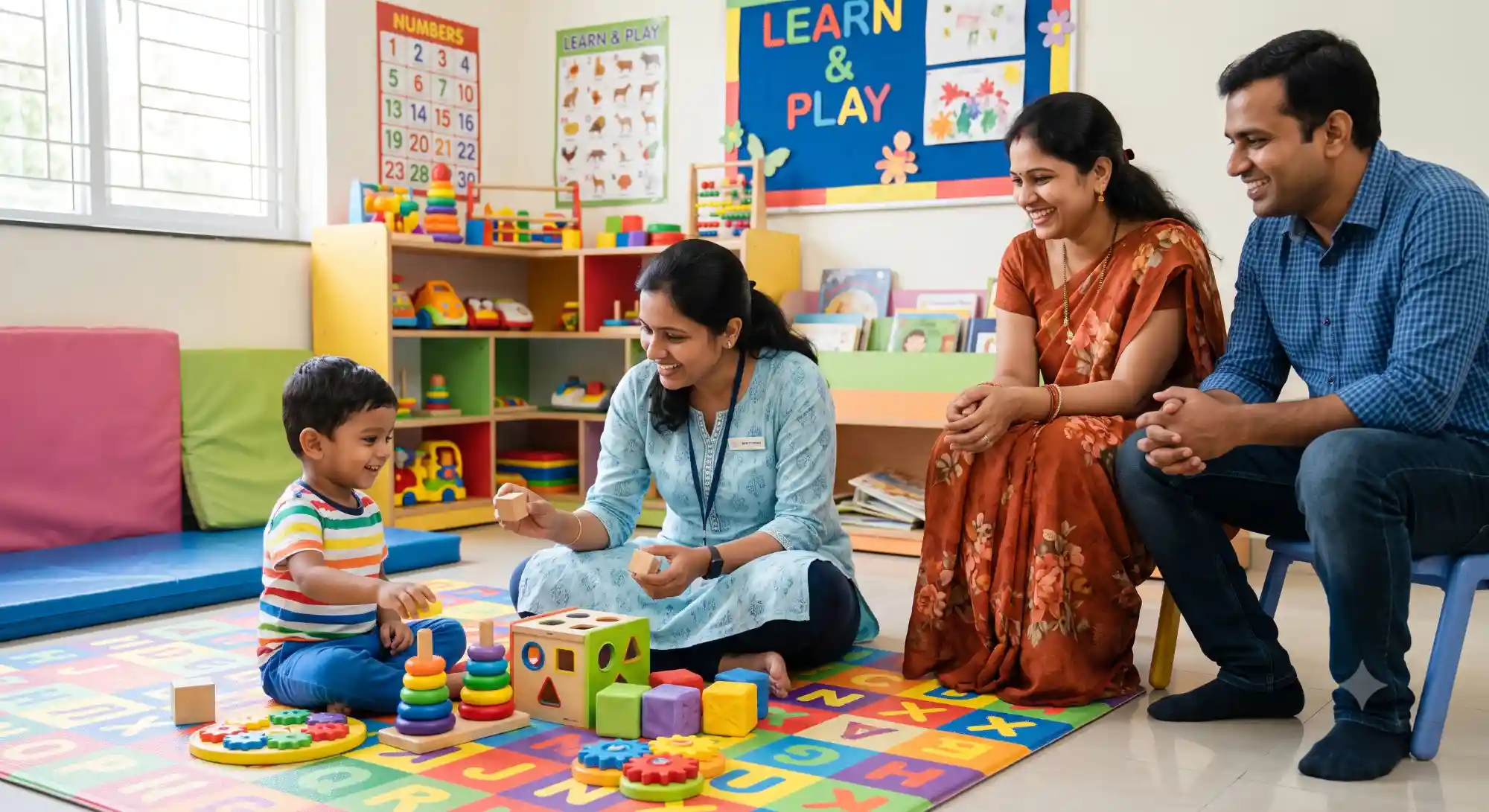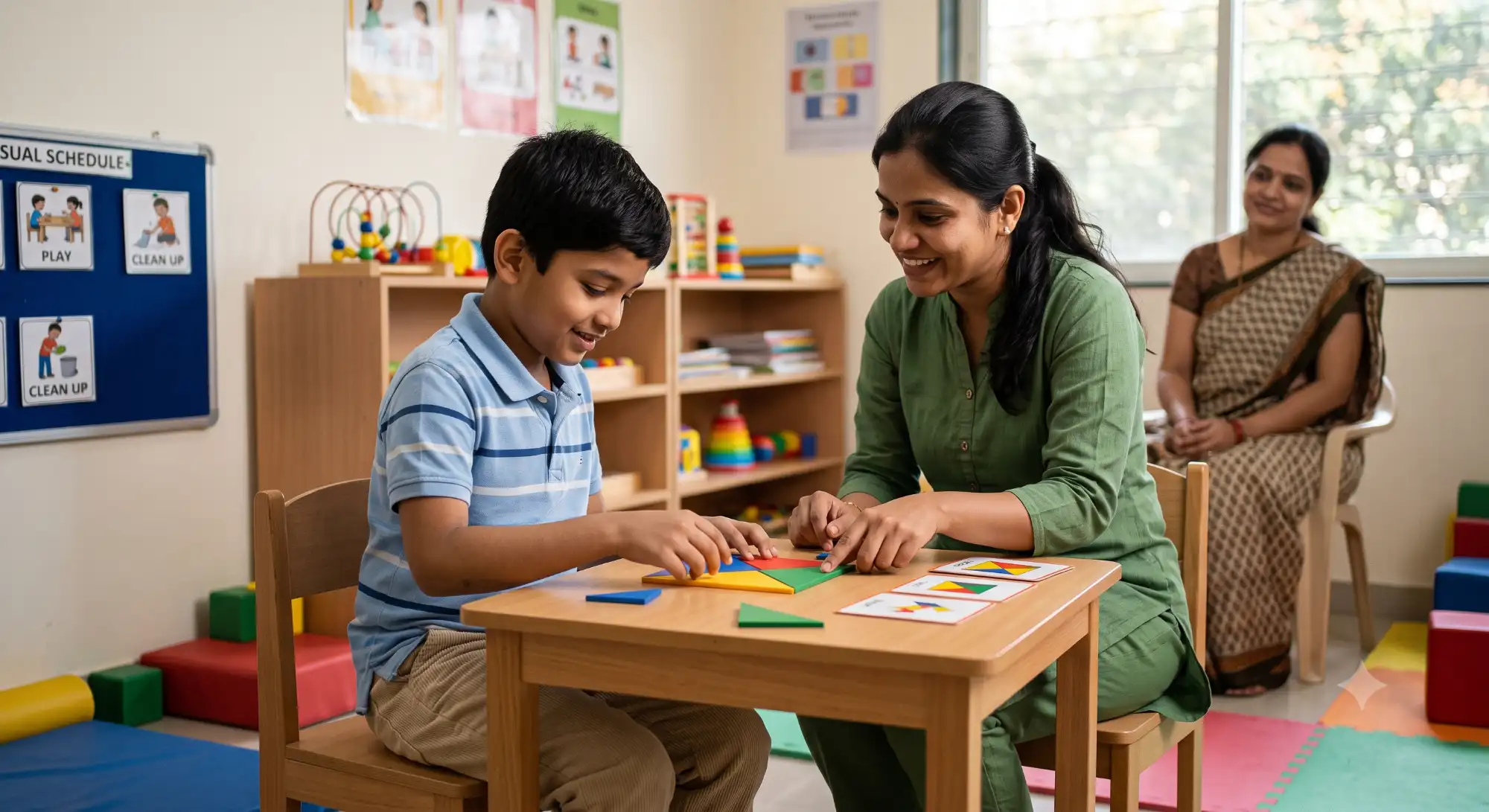
Parents often notice developmental differences long before they know what those differences mean. A child may communicate differently, prefer particular routines, react strongly to certain sounds or textures, repeat particular movements or appear less interested in typical social interaction. None of these observations by itself establishes an autism diagnosis.
Autism is a diverse neurodevelopmental condition, and autistic people vary widely in abilities, communication styles and support needs.
Signs families sometimes notice
Parents may observe differences in eye contact, response to name, gestures, pretend play, shared attention, speech development, repetitive behaviour or response to changes in routine. Sensory differences may also occur. Some children are particularly sensitive to sound, light, touch, food textures or crowded environments, while others actively seek particular sensory experiences.
Do not wait for every sign to appear
Autism does not look exactly the same in every child. Some children have strong language abilities but difficulty with social interaction. Others may communicate without spoken language. Some have intellectual disability; others do not. The objective of assessment is therefore not to see whether a child matches an internet checklist perfectly. It is to understand their unique developmental profile.
Support should focus on the child
Evidence-based support may target communication, interaction, participation, functional skills and coexisting concerns. Parents should also be cautious about anyone promising to “cure autism.” A responsible programme should establish realistic, individualised goals.